
Updated August 2026
Bike shops are full of terms nobody teaches you. This glossary collects the ones you'll need when buying a bike, booking a service or reading a product description.
Each entry also gives the Finnish term, which is useful if you're dealing with a bike shop or workshop in Finland – the words that come up at the counter are rarely the ones in the catalogue.
Frame and geometry
Frame (runko) – The core of the bike, everything else attaches to it. Usually aluminium, carbon or steel. Read more about frame material differences.
Reach – The horizontal distance from the bottom bracket to the top of the head tube. Tells you how far you have to stretch to the bars. The most important figure when comparing bikes across brands.
Stack – The vertical distance from the bottom bracket to the top of the head tube. Tells you the handlebar height. Harder to change afterwards than reach. See our frame size comparison.
Wheelbase (akseliväli) – The distance between the front and rear axles. A long wheelbase is stable, a short one agile.
Chainstay (takahaarukan alaputki) – The frame section between the rear wheel and the bottom bracket.
Bottom bracket (keskiö) – The bearing assembly the cranks turn on.
Headset (ohjainlaakeri) – The bearing that lets the handlebar turn.
Drivetrain
Chain (ketju) – Transfers power from the cranks to the rear wheel. A wear component: see chain life and replacement intervals.
Cassette (rataspakka) – The cluster of sprockets on the rear hub. Tooth counts are given as, for example, 10–51T.
Chainring (eturatas) – The front sprocket the chain runs over, attached to the cranks.
Crankset (kampisarja) – The cranks and chainrings together.
Derailleur (vaihtaja) – Moves the chain from one sprocket to another. There's almost always a rear derailleur; a front one only on 2x systems.
1x and 2x – The number of chainrings. 1x (one ring) is simpler and needs less maintenance; 2x gives closer gear steps. On mountain bikes 1x is now the standard.
Hub gears (napavaihteet) – Gearing enclosed inside the rear hub, protected from dirt and weather. The most trouble-free option for year-round commuting.
Belt drive (hihnaveto) – A carbon-reinforced belt replacing the chain. Needs no lubrication, doesn't mark your clothes and lasts a long time. Requires hub gears and a specific frame.
Cadence (kadenssi) – Pedalling speed in revolutions per minute. The optimum is around 70–90 rpm; too low a cadence wears both the chain and your knees.
Gear ratio (välitys) – The ratio between front and rear sprocket teeth. Determines how hard the pedalling is.
Wheels and tyres
Rim (vanne) – The outer part of the wheel the tyre mounts to.
Hub (napa) – The bearing assembly at the centre of the wheel.
Spokes (pinnat) – Connect the hub to the rim. Spoke tension determines whether the wheel stays true.
Tyre (ulkorengas) – The rubber tyre that contacts the ground.
Inner tube (sisärengas) – The inflatable tube inside the tyre.
ETRTO – The standard tyre size marking, in the form 40-622: width and rim diameter in millimetres. The most reliable way to choose a tyre – see our tyre size guide.
Tubeless – Running tyres without an inner tube; sealant inside plugs small holes by itself.
Valve (venttiili) – Three types: Schrader (car valve), Dunlop and the thin Presta.
Studded tyre (nastarengas) – A winter tyre with metal studs that bite into ice. See our studded tyre guide.
Quick release (pikalinkku) – Tool-free wheel fixing with a lever. On modern mountain and road bikes it has been replaced by the stiffer thru-axle (läpiakseli).
Brakes and suspension
Disc brake (levyjarru) – Brakes against a rotor at the hub. Considerably more reliable than rim brakes in wet and winter conditions.
Rim brake (vannejarru) – Brakes directly on the rim. Light and simple, but weakens in the wet.
Travel (joustomatka) – How many millimetres the suspension moves. Typically 120–140 mm on trail mountain bikes.
Hardtail (jäykkäperäinen) – A mountain bike with suspension at the front only.
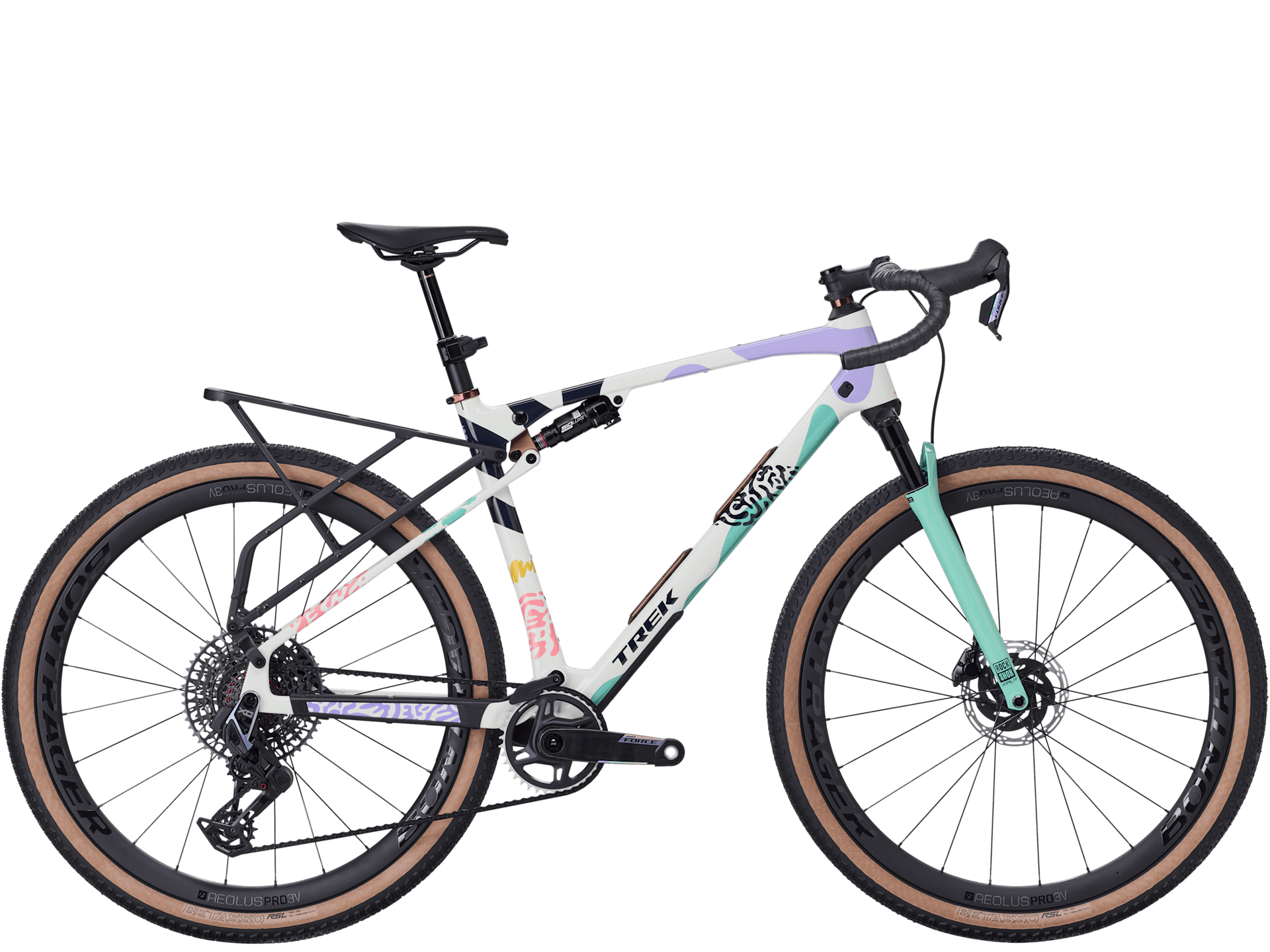
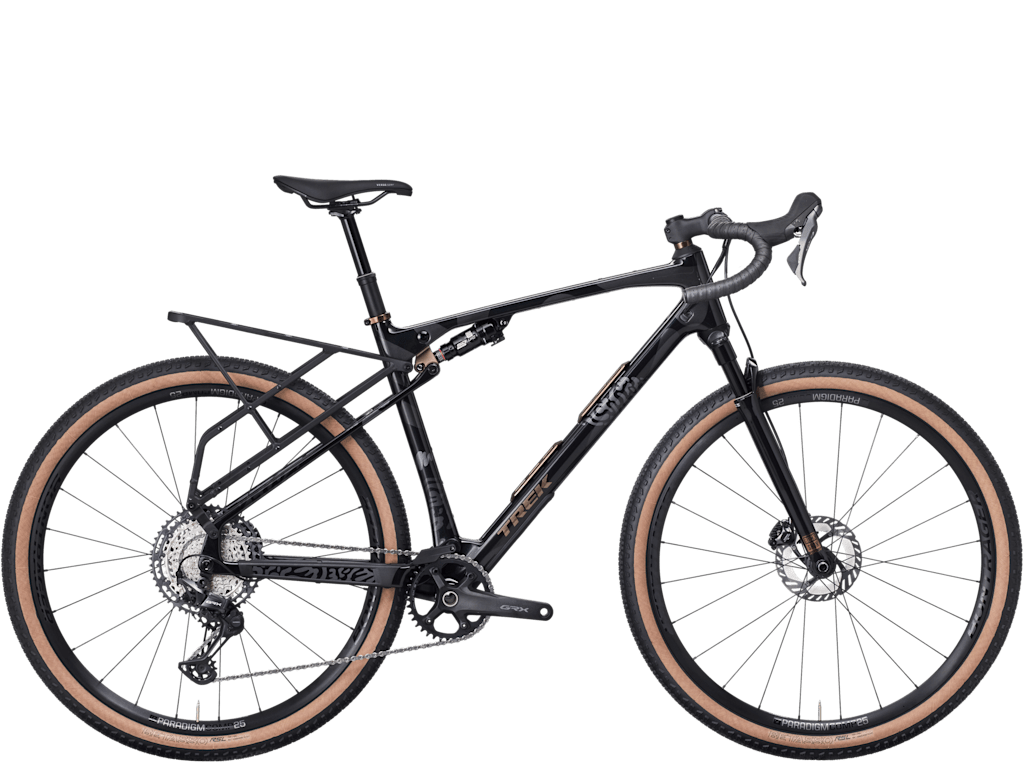
Full suspension (täysjousto) – A mountain bike with rear suspension as well.
Dropper post (satulan laskutolppa) – A seatpost whose height is adjusted while riding, at the push of a button. The most underrated component on a mountain bike.
SAG – How far the suspension compresses under the rider's weight at rest. Typically set to 20–30% of travel.
Cockpit and riding position
Handlebar (ohjaustanko) – Shape varies by discipline.
Drop bar (kippurasarvi) – The downward-curving bar on road and gravel bikes, offering several hand positions.
Stem (stemmi, ohjainkannatin) – Connects the bar to the fork. Changing its length is the cheapest way to adjust reach.
Aero bar (aerotanko) – An add-on bar with forearm rests for triathlon and time trialling.
Clipless pedals (lukkopolkimet) – Pedals your shoe cleat locks into. Improves power transfer.
BikeFit – A professional measurement and adjustment of your riding position.
Bike types
Road bike (maantiepyörä) – A light, narrow-tyred bike for tarmac.
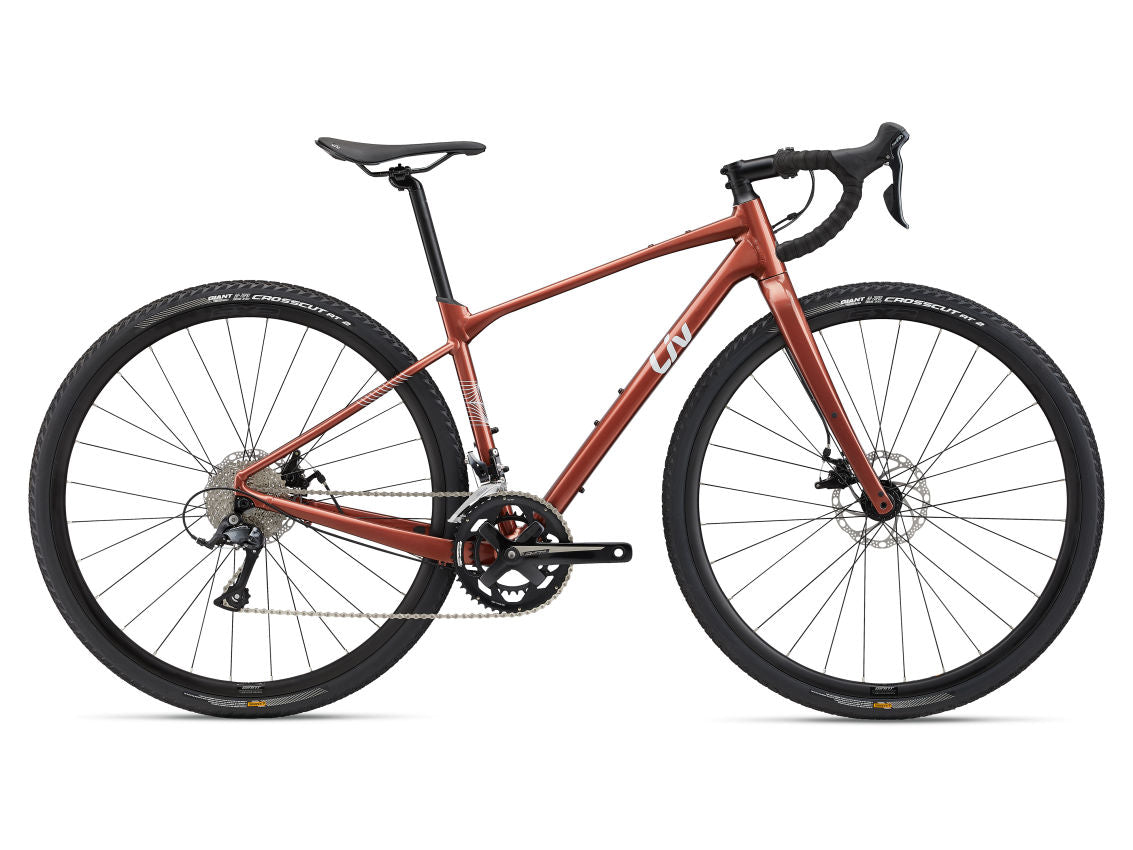
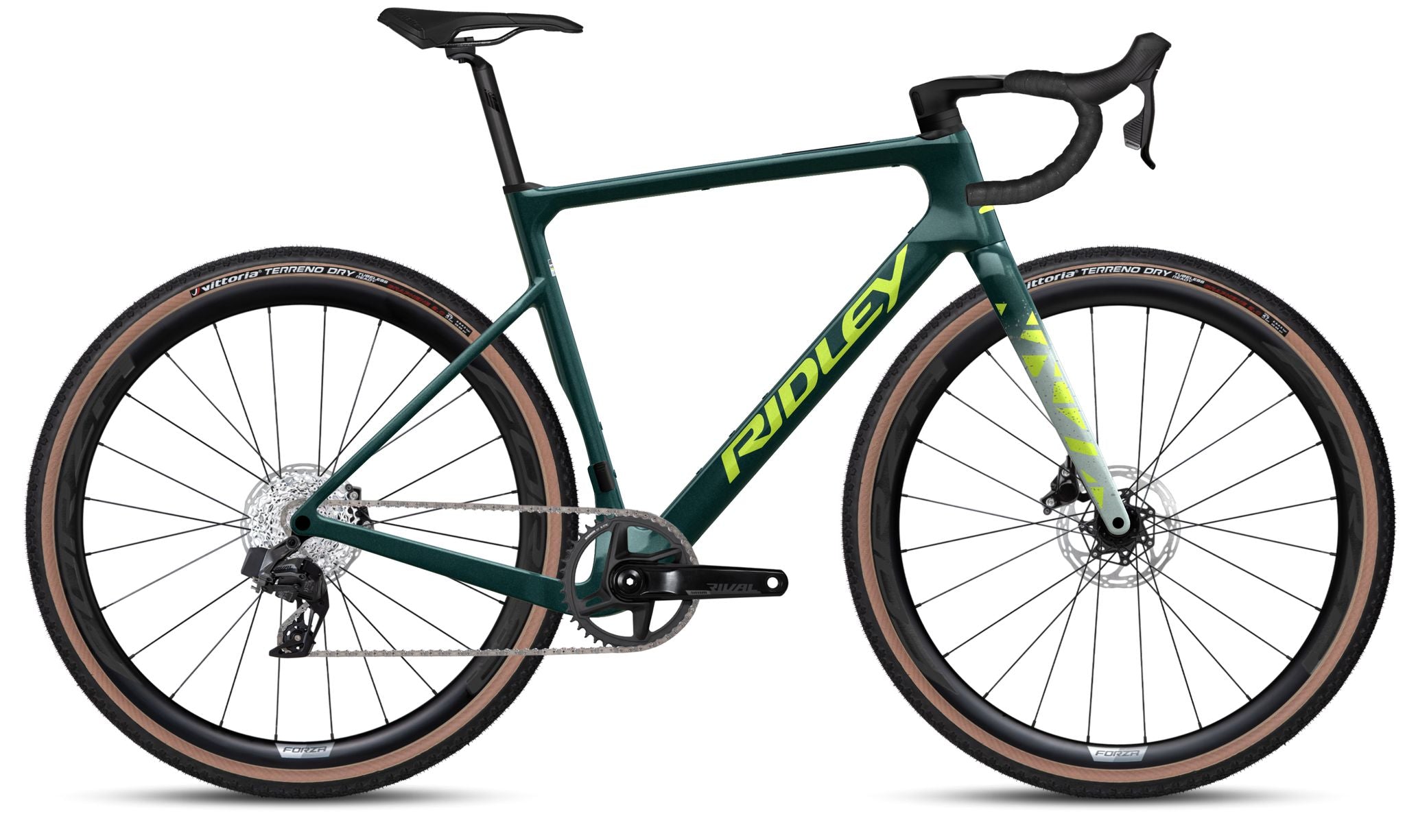
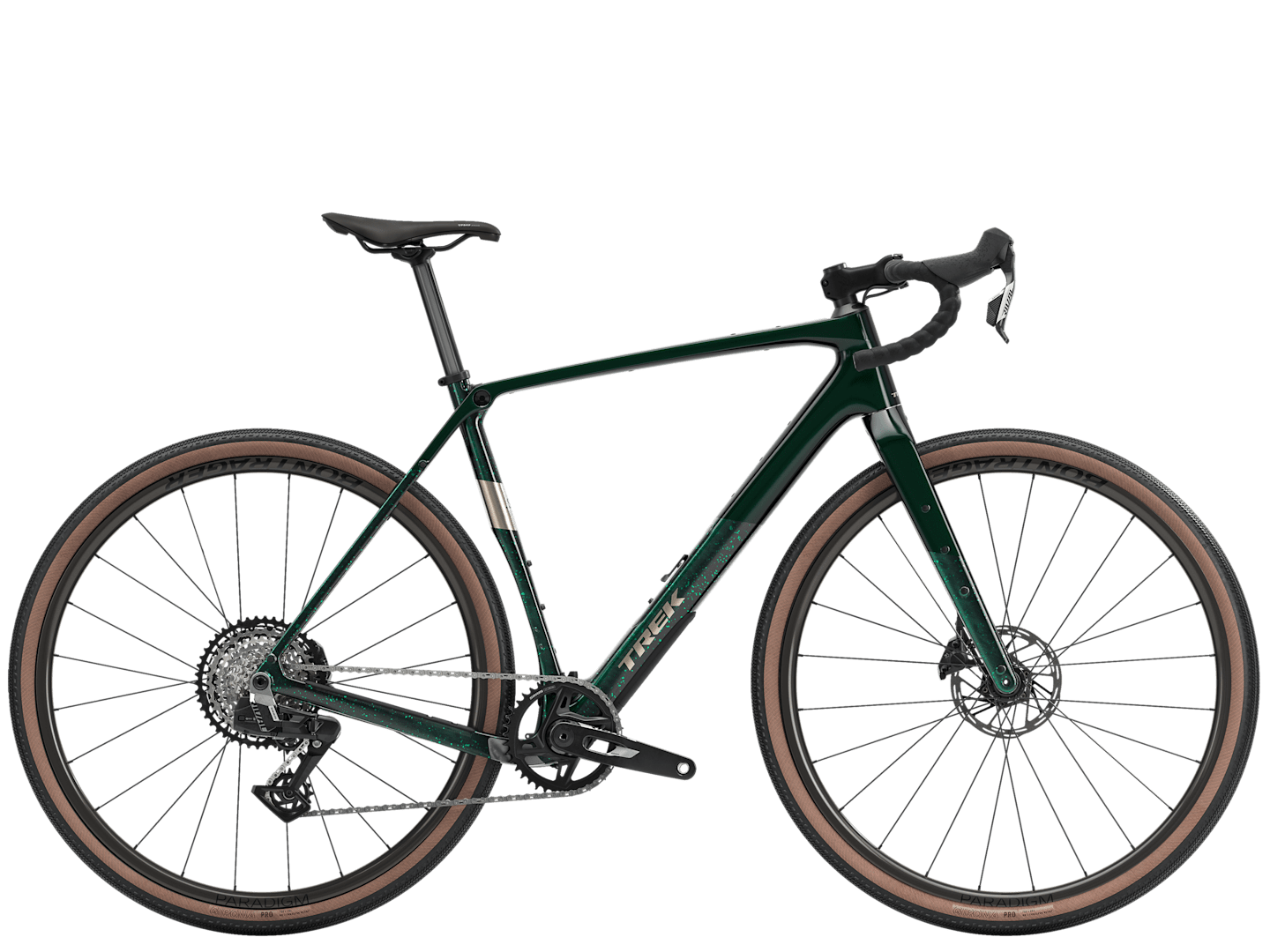
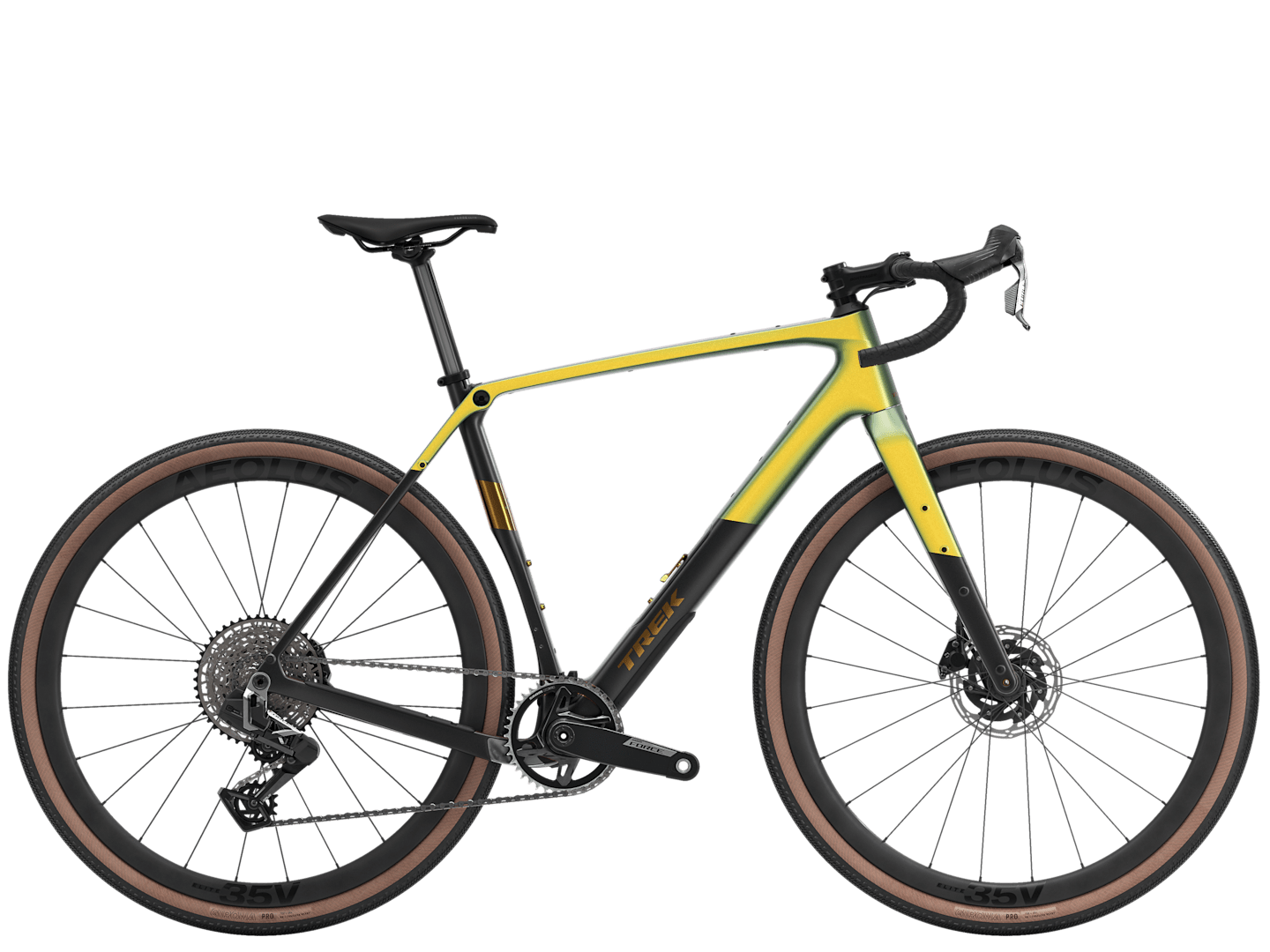
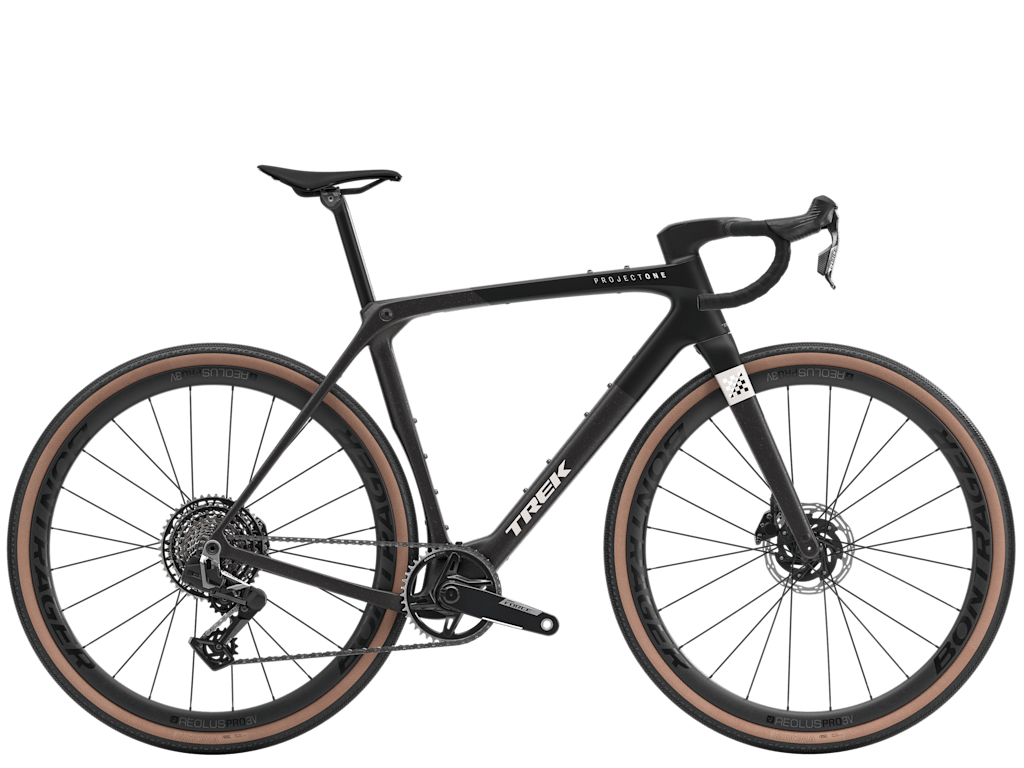
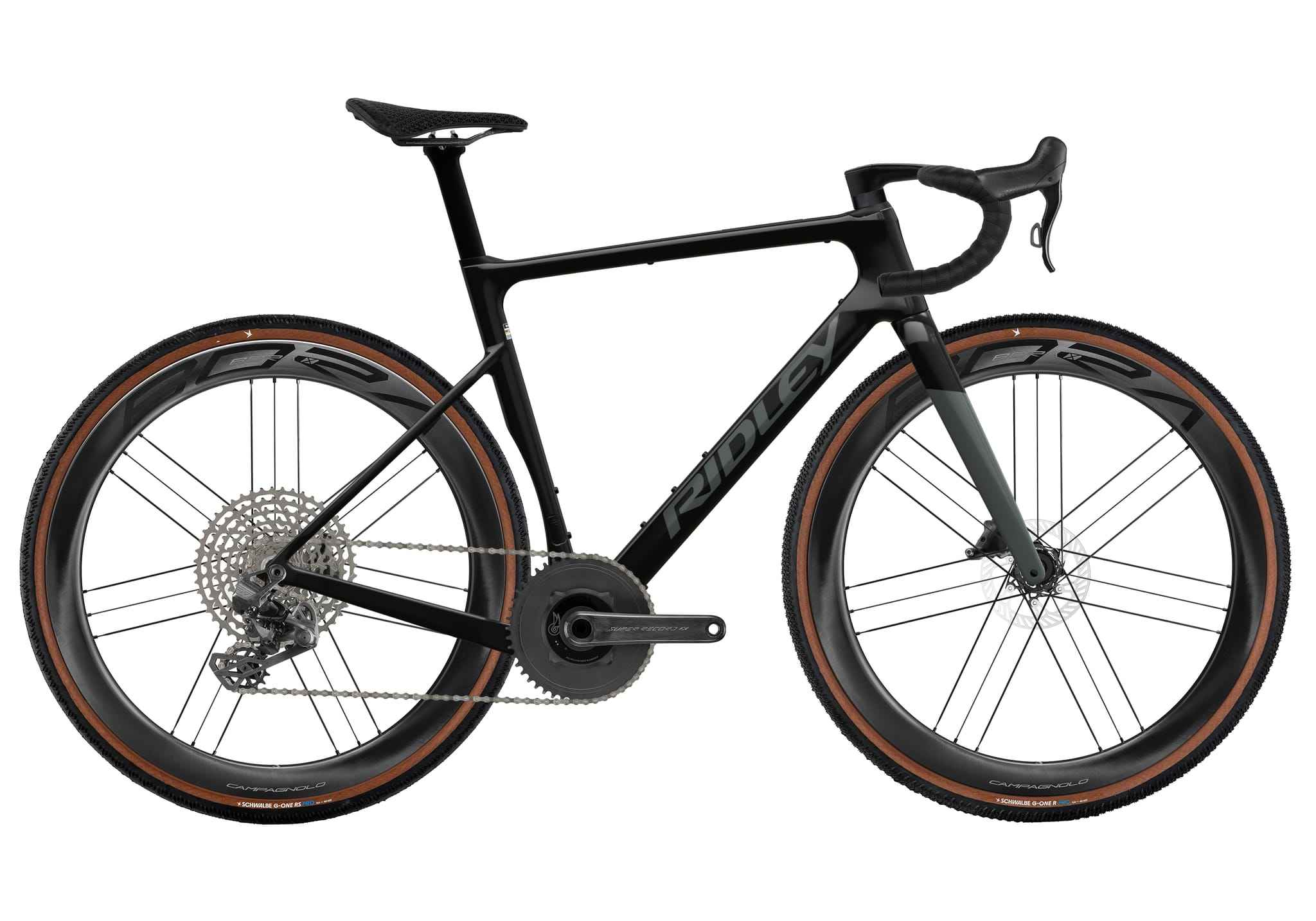
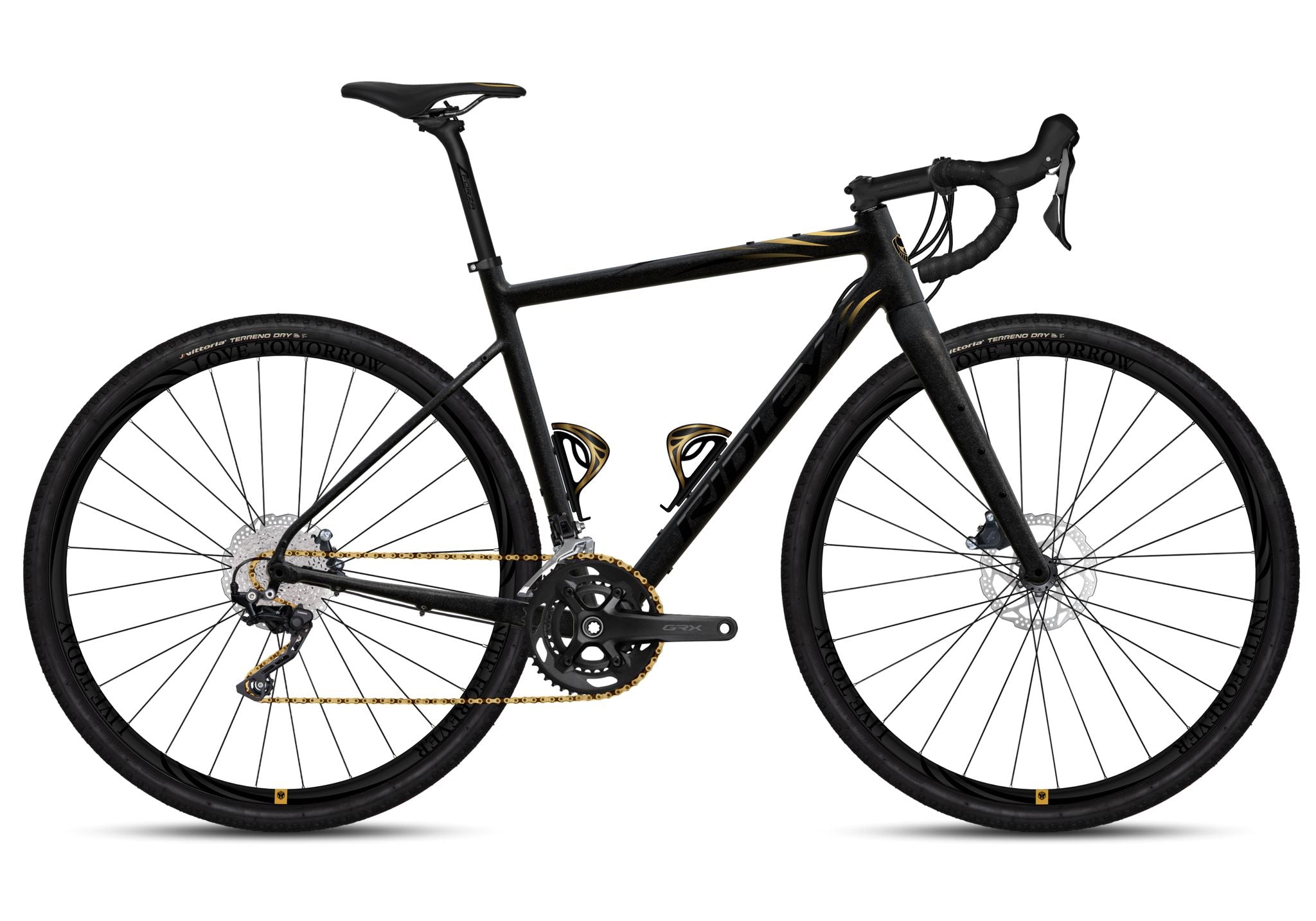
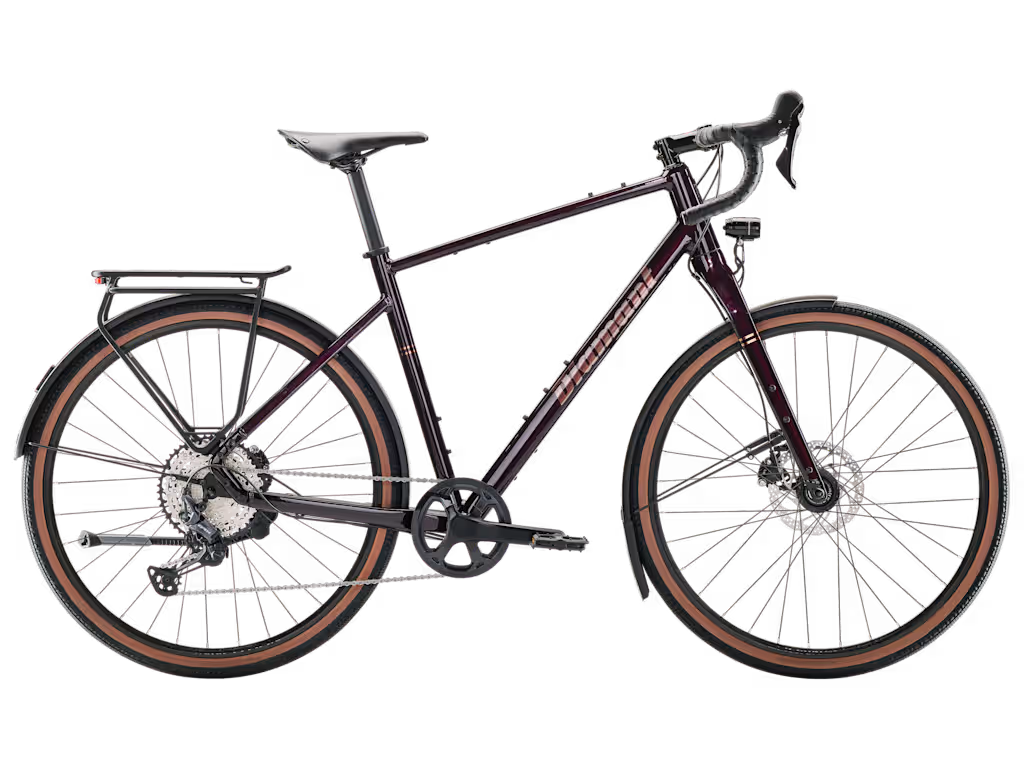
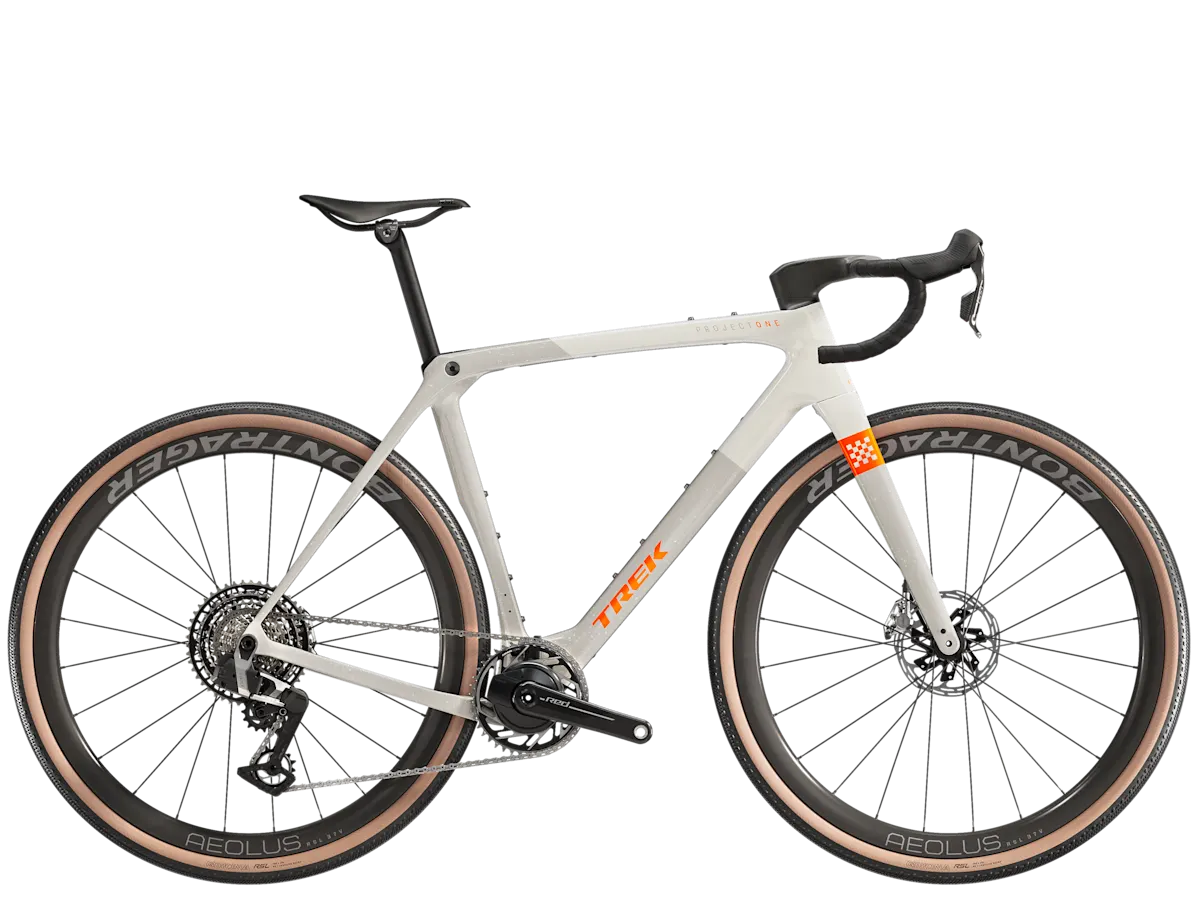
Gravel bike – Road-bike-like, but with wider tyres and more relaxed geometry. Works on gravel roads and in winter too.
Endurance road bike – A road bike with a more upright position for long rides.
Mountain bike (maastopyörä, MTB) – A suspended bike for trails and off-road.
Hybrid (hybridipyörä) – A general-purpose bike for commuting and fitness.
E-bike (sähköpyörä) – In Finland, at most 250 W rated power with assistance cutting out at 25 km/h. See our motor comparison.
E-MTB – An electrically assisted mountain bike.
E-bike terms
Mid-drive (keskimoottori) – Motor at the bottom bracket. Better balanced and more effective on hills.
Hub motor (napamoottori) – Motor in the front or rear hub. Quieter but weaker on steep climbs.
Torque (vääntö, Nm) – The motor's force at low revolutions. Doesn't affect top speed, which is limited anyway.
Charge cycle (latausjakso) – One full charge and discharge. Quality batteries last 500–1,000 cycles.
Wh, watt-hour (wattitunti) – Battery capacity. A higher number means more range.
Gear and safety
Helmet (kypärä) – Every helmet sold in the EU meets the EN 1078 standard. Fit determines protection.
MIPS – A slip layer inside the helmet that reduces rotational forces in an angled impact.
Skull cap (kypärämyssy) – A thin head and neck cover worn under the helmet.
U-lock (U-lukko) – A rigid shackle lock; the best protection for its weight.
Frame lock (runkolukko) – A lock fixed to the frame that stops the bike being ridden away, but not carried.
Bib shorts (bibsit) – Padded cycling shorts with braces. Worn without underwear.
Pannier (laukku) – A side bag mounted to a rear rack.
Bikepacking – Touring by bike using light bags strapped to the frame.
Frequently asked questions
What do reach and stack mean?
Reach is the horizontal and stack the vertical distance from the bottom bracket to the top of the head tube. They are the only figures by which frame sizes can reliably be compared across brands.
What does a 1x drivetrain mean?
A single chainring, so there's no front derailleur. Simpler to use and maintain. Now the standard on mountain bikes.
What is a dropper post?
A seatpost whose height can be adjusted while riding, using a lever on the handlebar. It improves descending safety considerably.
What does the ETRTO marking mean?
The standard tyre size marking, for example 40-622: tyre width and rim diameter in millimetres. More reliable than inch sizes.
What's the difference between a belt drive and a chain?
A belt needs no lubrication, doesn't mark your clothes and lasts longer, but requires hub gears and a frame designed for it.
Didn't find the term you were looking for?
Ask us – we're happy to explain: myynti@emiliasport.fi or +358 50 470 4686. Our store is in Tampere at Hyllilänkuja 7.
Read also: Bike buying guide and Cycling gear for beginners.
Written by the Emilia Sport team
Emilia Sport has been a bike shop since 1978. Our staff have up to 45 years of experience in the bicycle trade. We're happy to help by phone too: myynti@emiliasport.fi / +358 50 470 4686.