
Updated August 2026
Carbon is lighter than aluminium. That's the only thing in this comparison that's unambiguous – and it's also the least significant point for most buyers.
What matters more is this: for the same money you get either a carbon frame with weak components or an aluminium frame with good ones. The latter is almost always the better bike.
The short answer
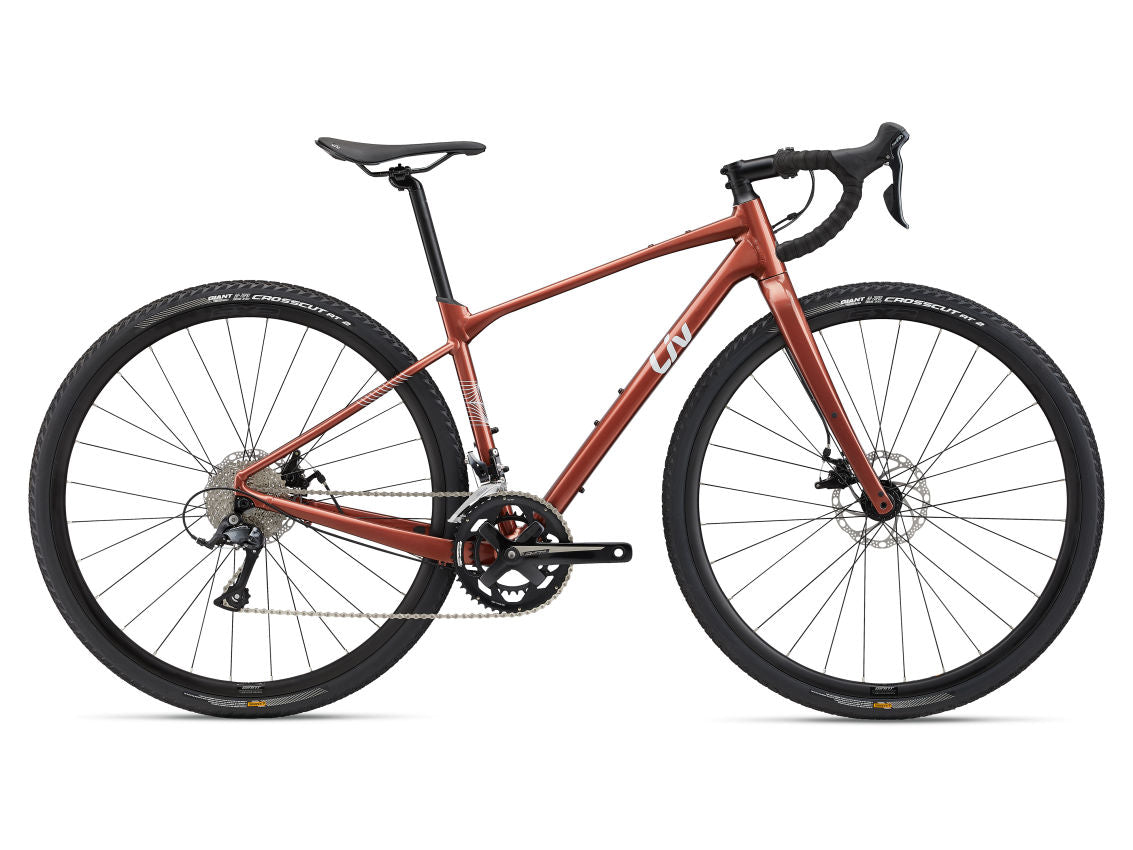
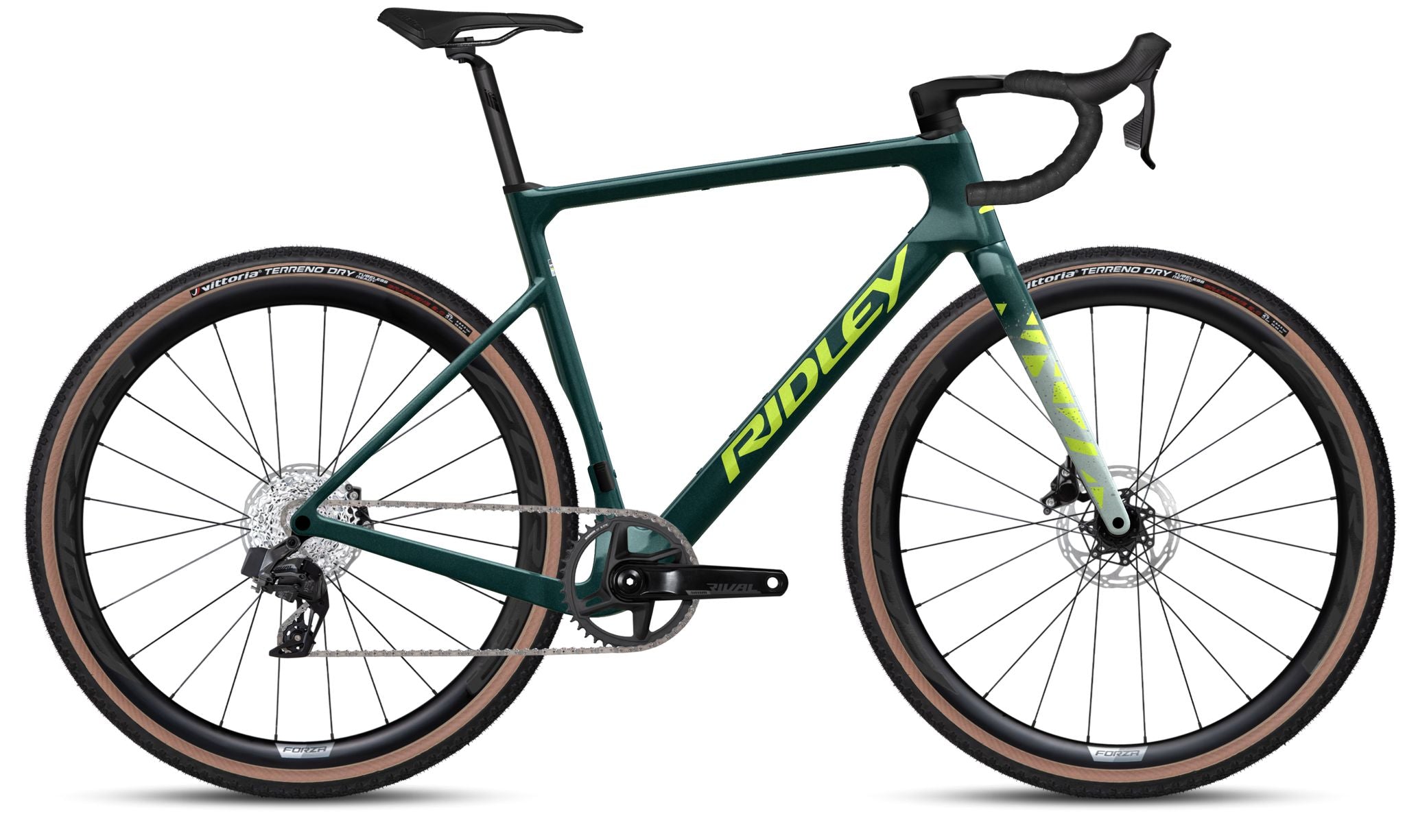
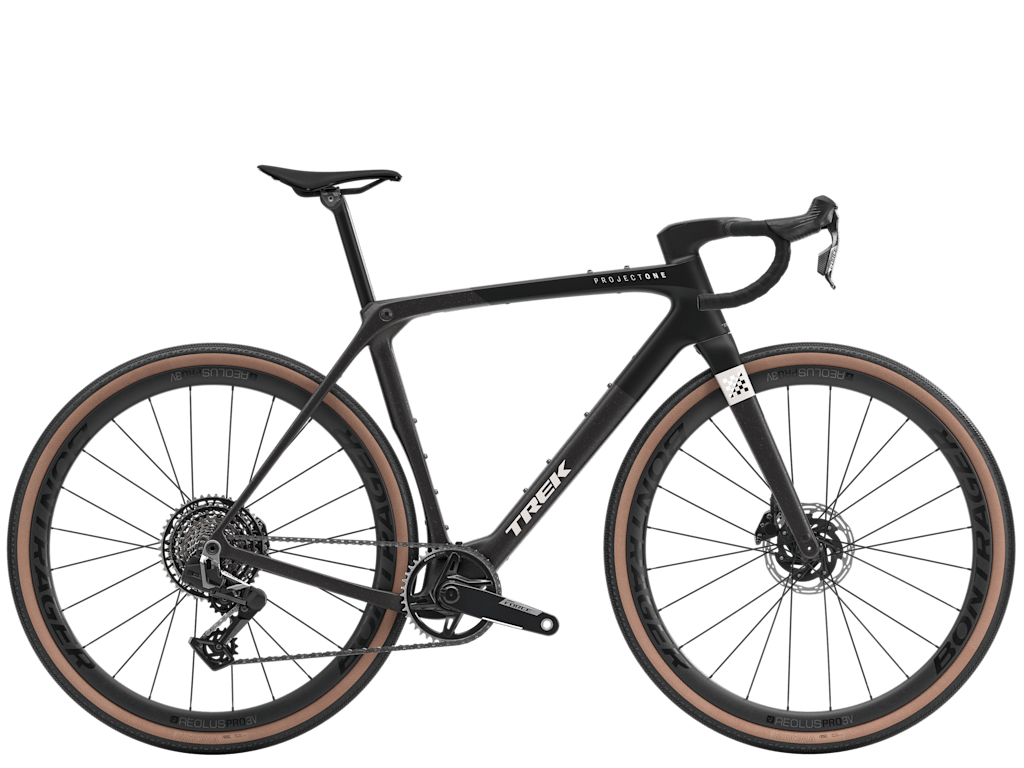
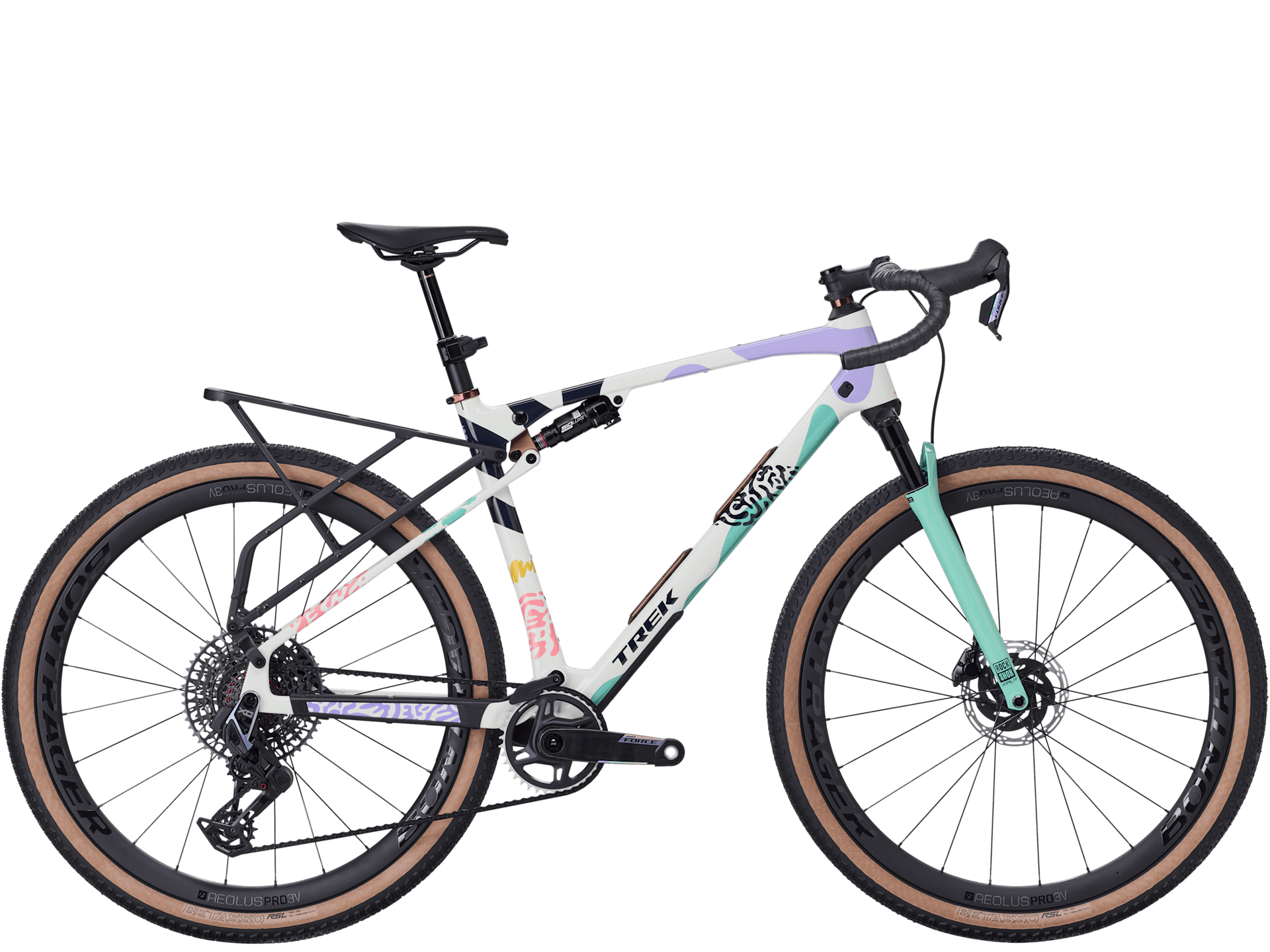
Aluminium is cheaper, more resistant to knocks and entirely sufficient for the vast majority of riders. Carbon is lighter, damps vibration better and allows more aerodynamic shapes. The weight difference is typically 1–1.5 kilograms. Below €2,000, aluminium is almost always the more sensible choice, because the money is better spent on components.
Comparison
| Aluminium | Carbon | |
|---|---|---|
| Weight | Reasonable | Lighter, typically by 1–1.5 kg |
| Price | Cheaper | Considerably more expensive |
| Vibration damping | Transmits more of the road | Damps better |
| Impact resistance | Dents, rarely cracks | Handles riding loads, more vulnerable to point impacts |
| Shapeability | Limited | Free – allows aero shapes |
| Repairability | In practice not repaired | Repairable by a professional |
| Lifespan | No limit in normal use | No limit in normal use |
Weight – how much does 1.5 kg actually matter?
Less than the marketing suggests. On flat ground weight barely matters, because resistance is almost entirely aerodynamic. The difference shows up in accelerations and long climbs.
Put the figure in proportion: an 80 kg rider with kit weighs around 95 kg in total. A saving of one and a half kilograms is about 1.5% of that. The same saving is available from lighter wheels, or from leaving one water bottle behind.
Wheels are a more relevant target than the frame here: reducing rotating mass is felt considerably more in acceleration than the same weight in the frame.
Durability – the most common misconception
You often hear that carbon is fragile. That isn't true in the form it's usually presented.
Carbon handles riding loads excellently – often better than aluminium – and it doesn't fatigue with use the way metal does. Its weakness is a point impact: a sharp knock in transport, in a crash, or from being clamped in an over-tightened rack can damage the structure.
The difference in how they fail matters. An aluminium frame dents visibly, so you notice the damage. Damage to a carbon frame can stay hidden below the surface. That's why a carbon frame is worth having inspected after a heavy crash.
On the other hand: a carbon frame can be repaired. A professional can repair a crack so that the frame's strength is restored. An aluminium frame isn't repaired in practice – it's replaced.
Ride feel
Carbon's most important advantage isn't weight but shapeability. The material's stiffness can be tuned separately in different parts of the frame: stiff at the bottom bracket for power transfer, compliant at the seatpost and rear stays for comfort.
This explains why a good carbon frame feels stiff and comfortable at the same time. That's harder to achieve in aluminium, though modern shaped aluminium frames have narrowed the gap considerably.
When is each worth choosing?
Choose aluminium if:
- your budget is under €2,000 – the money is better spent on components
- the bike is for commuting or general use
- the bike is stored outside or in a shared bike store
- you transport the bike often on a car rack
- you ride loaded on tours
Choose carbon if:
- you ride long distances and value vibration damping
- you race or ride a lot of hilly routes
- your budget stretches to good components as well
- aerodynamics matter to you
What about steel and titanium?
Steel is the heaviest but exceptionally durable, and can be welded for repair anywhere in the world. It's popular on touring and round-the-world bikes precisely for its repairability, and the ride feel has a distinctive springiness.
Titanium combines steel's durability with light weight and doesn't corrode at all. It's the most expensive option, but also the longest-lived – a titanium frame may well be the last one you buy.
Frequently asked questions
Is a carbon bike better than aluminium?
Not automatically. Carbon is lighter and damps better, but an aluminium bike with good components is almost always a better overall package at the same price than a carbon frame with weak ones.
How much lighter is a carbon frame?
Typically 1–1.5 kilograms across the whole bike. Relative to the combined weight of rider and kit, that's around 1.5%.
Does carbon survive a crash?
Usually yes, but a heavy crash or sharp impact is worth having inspected. Unlike aluminium, damage to carbon can stay hidden below the surface.
Can a carbon frame be repaired?
Yes. A professional can repair a crack so that strength is restored. An aluminium frame isn't repaired in practice.
Does a carbon frame age?
Not in normal use. Carbon doesn't fatigue the way metal does, so a frame can last decades without damage.
Can a carbon bike go on a car rack?
Yes, but don't clamp it by the frame tube. Use a rack that supports the wheels or the fork ends – clamping the frame is the most common cause of damage to carbon frames.
Summary
Frame material is rarely what determines whether a bike is good. The groupset, suspension, wheels and above all the correct size affect the riding experience more.
A practical guide: with a budget under €2,000, choose aluminium and spend on components. Above that, carbon starts to make sense if you ride a lot and over long distances.
You can try both at our Tampere store – the difference is far clearer on a ride than in a table: myynti@emiliasport.fi or +358 50 470 4686.
Read also: Frame sizes compared and Bike buying guide.
Written by the Emilia Sport team
Emilia Sport has been a bike shop since 1978. Our staff have up to 45 years of experience in the bicycle trade, and our own workshop in Tampere sees how every frame material behaves over the long term. We're happy to help by phone too: myynti@emiliasport.fi / +358 50 470 4686.