
Updated August 2026
Buying a bike involves three decisions, and they're best made in this order: bike type, frame size, and only then budget.
The most common mistake is starting from price. That easily leads to the wrong type of bike – one that's good for something other than what you actually intend to ride.
The short answer
Start from where and how you intend to ride. For commuting and general use, a hybrid; for gravel roads and versatility, a gravel bike; for trails, a mountain bike; for tarmac, a road bike. Frame size is chosen by height and inseam measurement – not by wheel size. In the budget, spend on brakes, suspension and tyres before frame material.
1. Choose the bike type
| Bike type | Suits | Tyre width |
|---|---|---|
| City and basic bike | Short trips, errands, relaxed position | 35–47 mm |
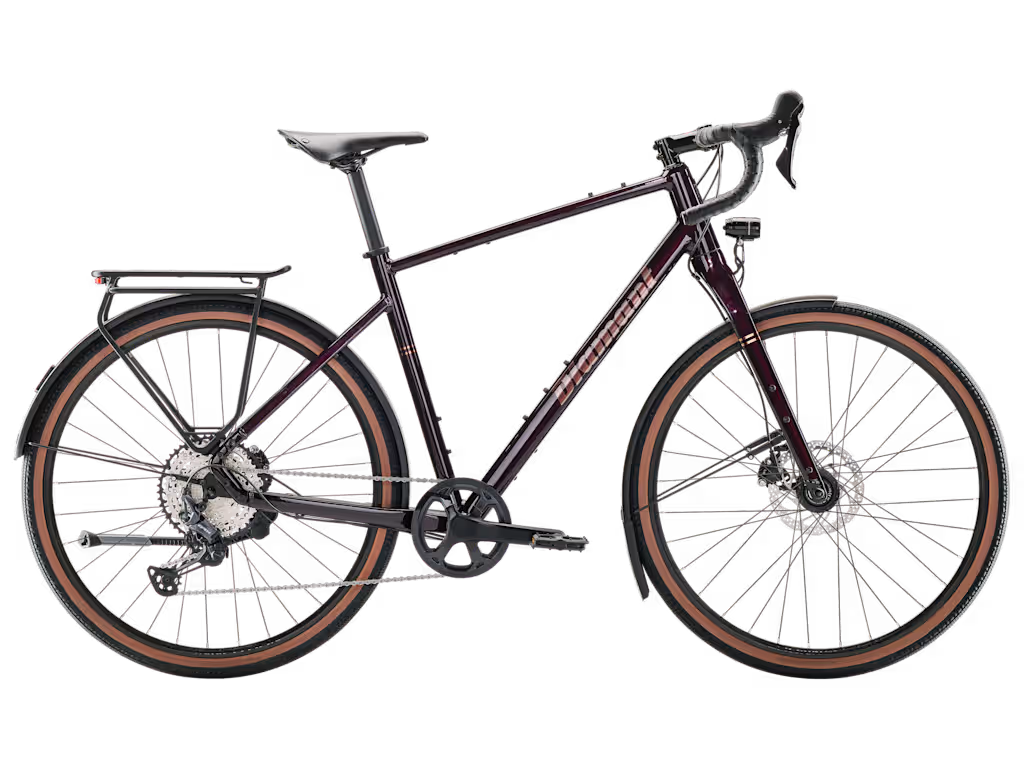
| Hybrid | Commuting, fitness, touring | 32–42 mm |
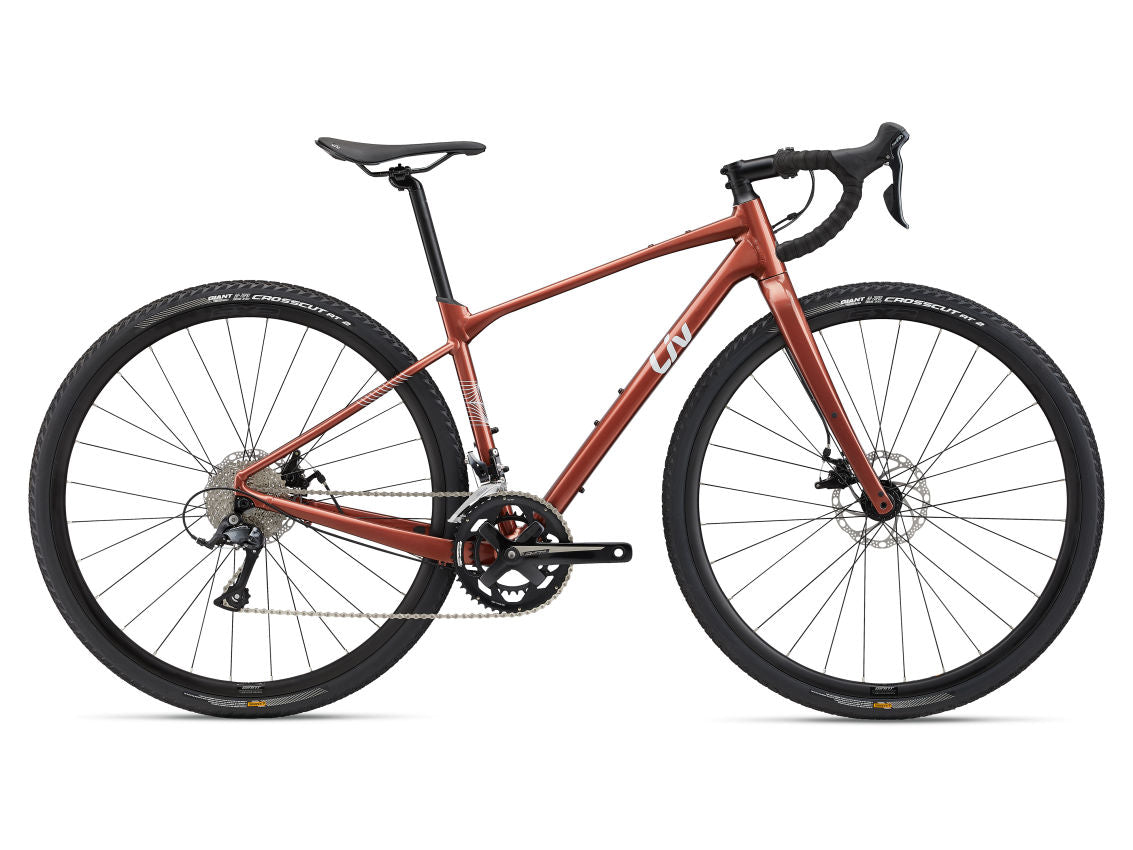
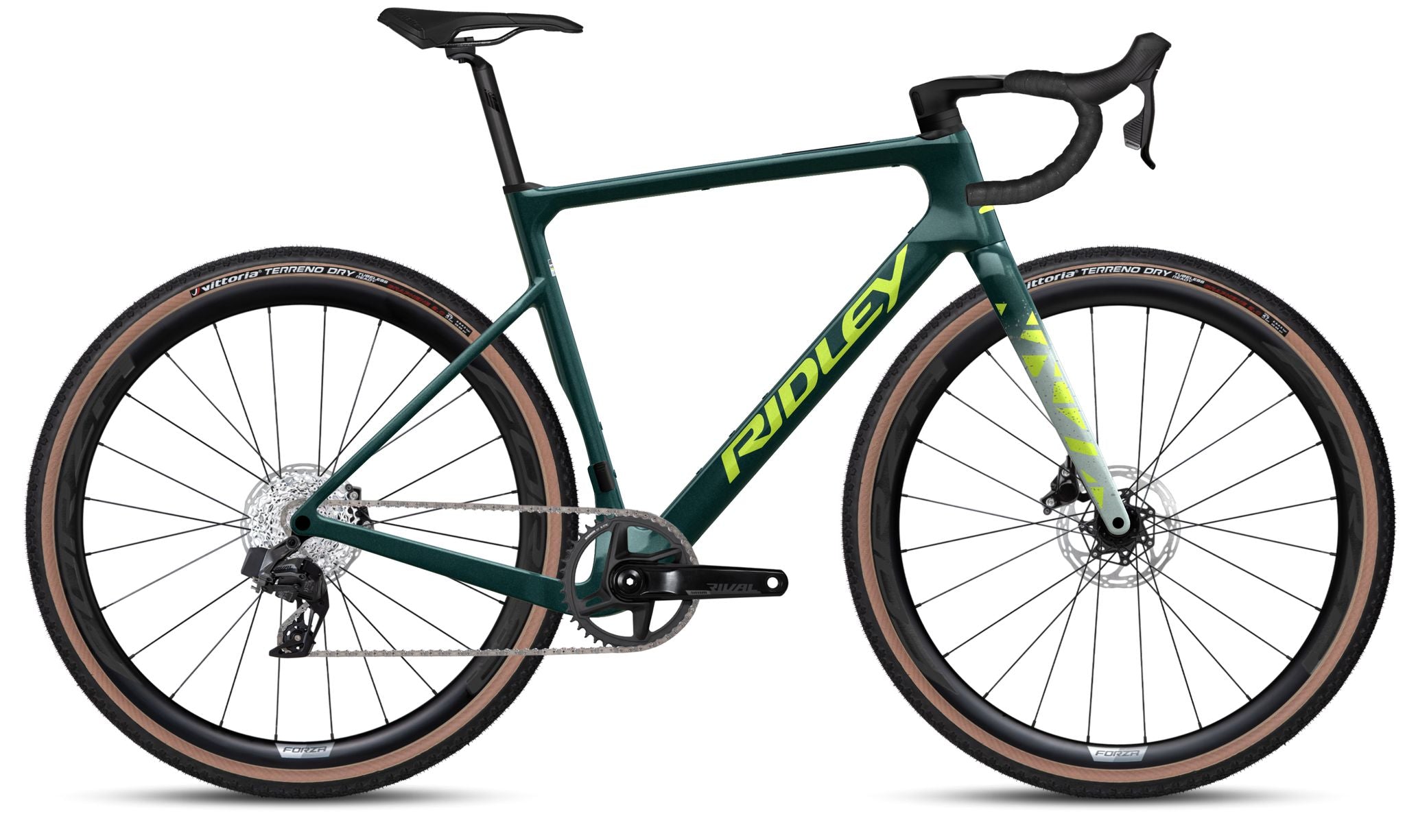
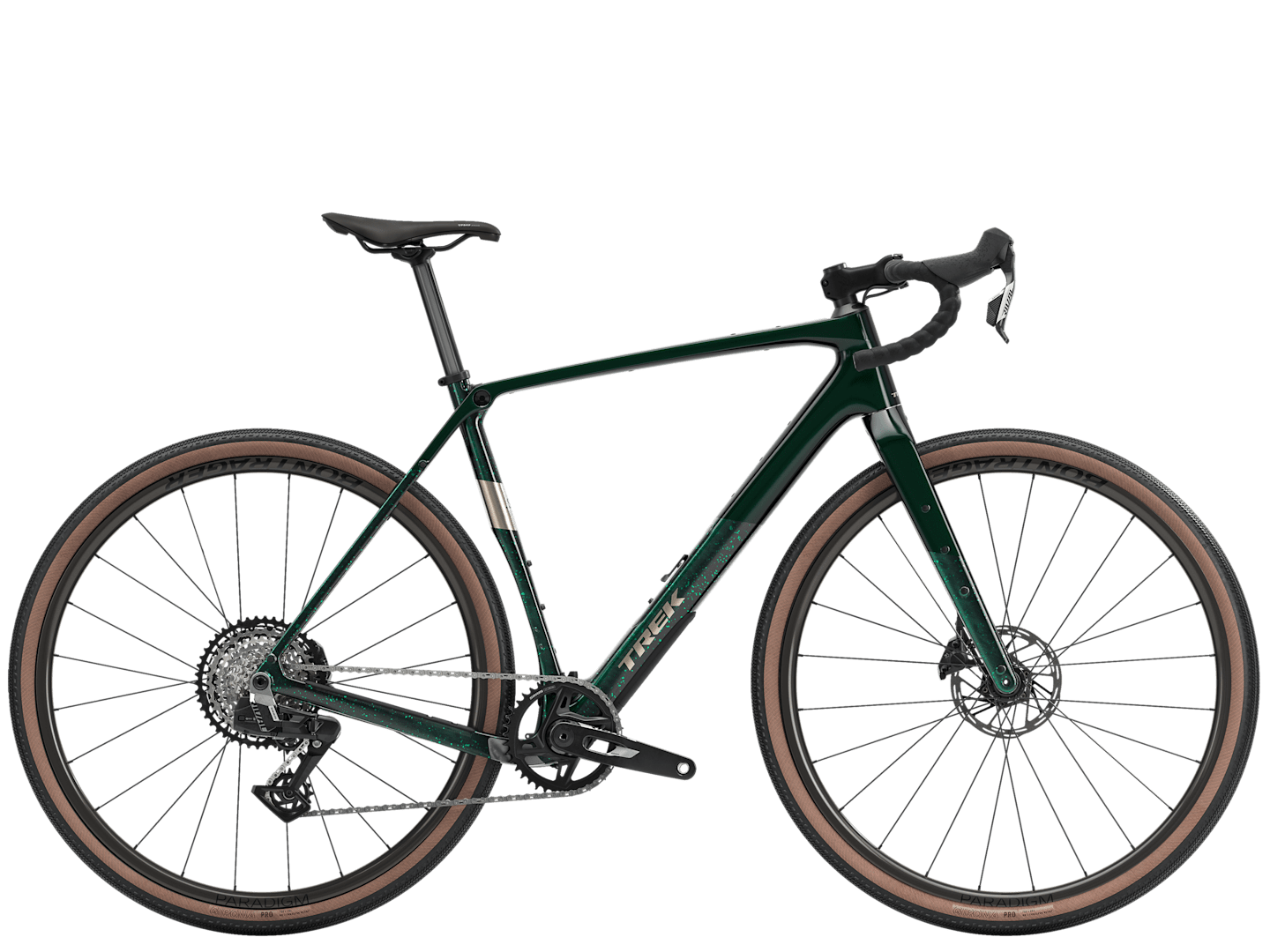
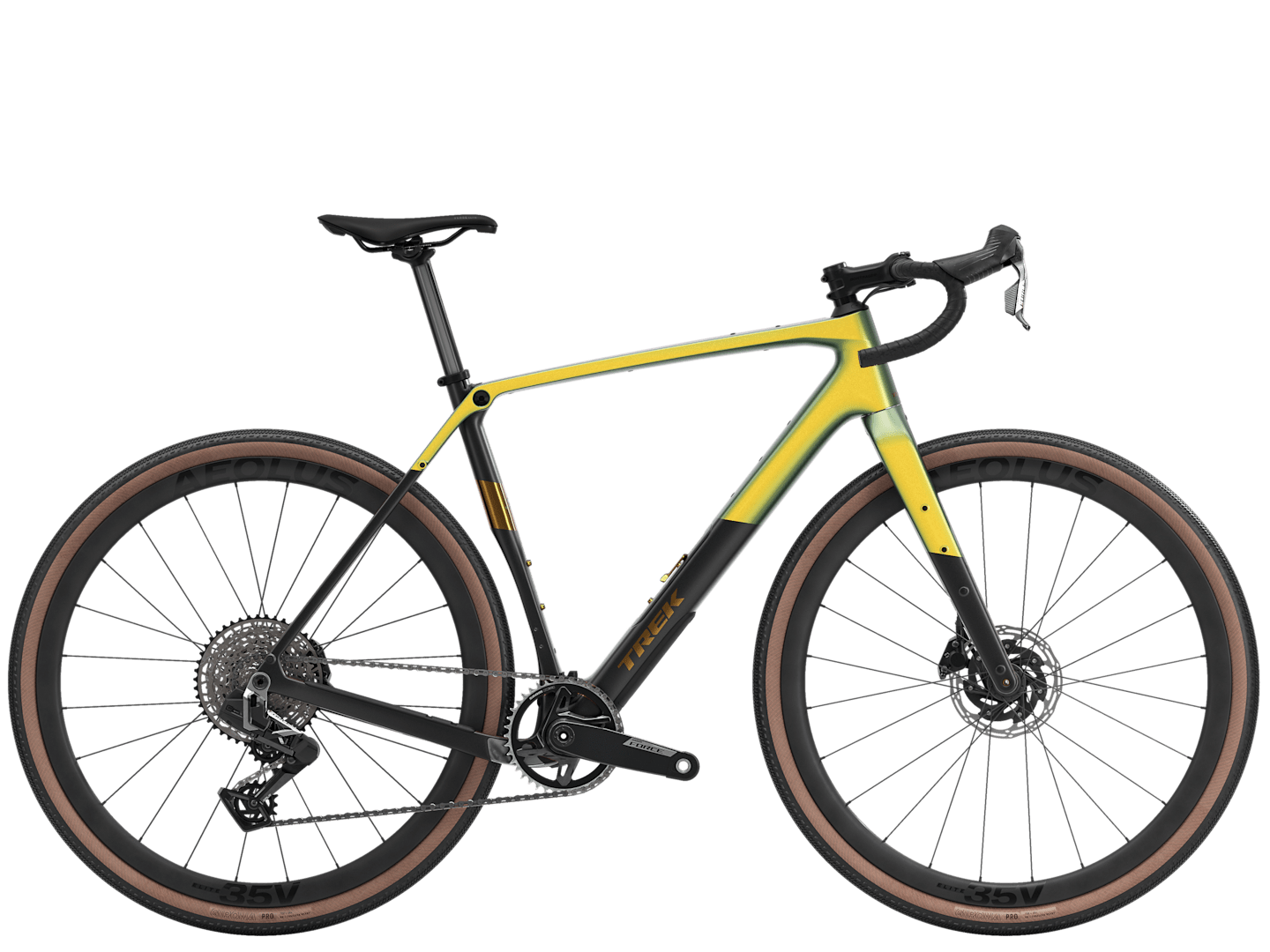
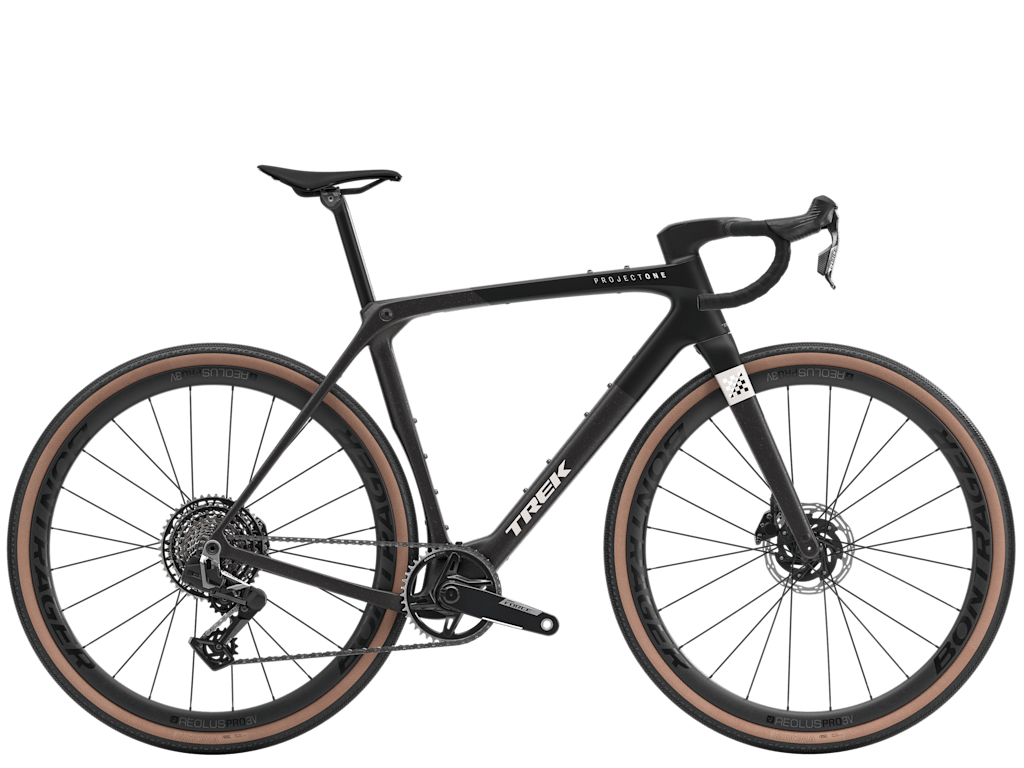
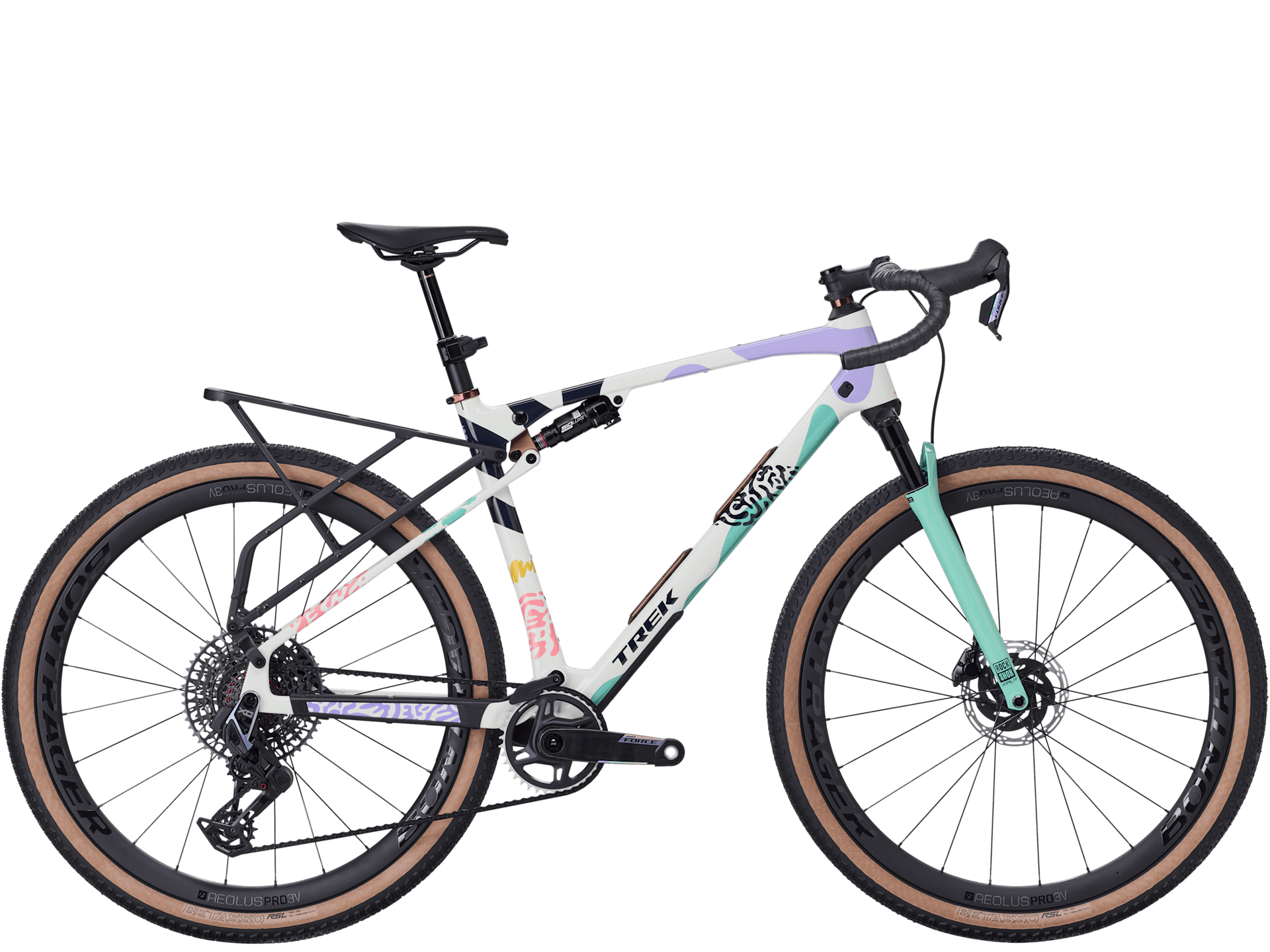
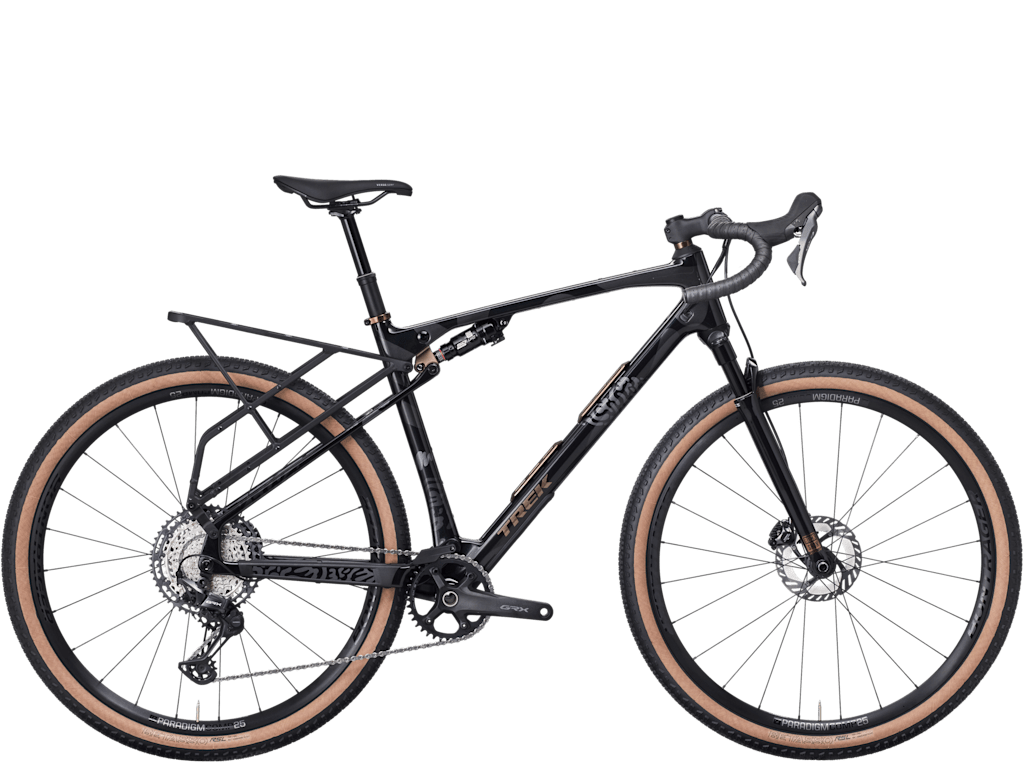
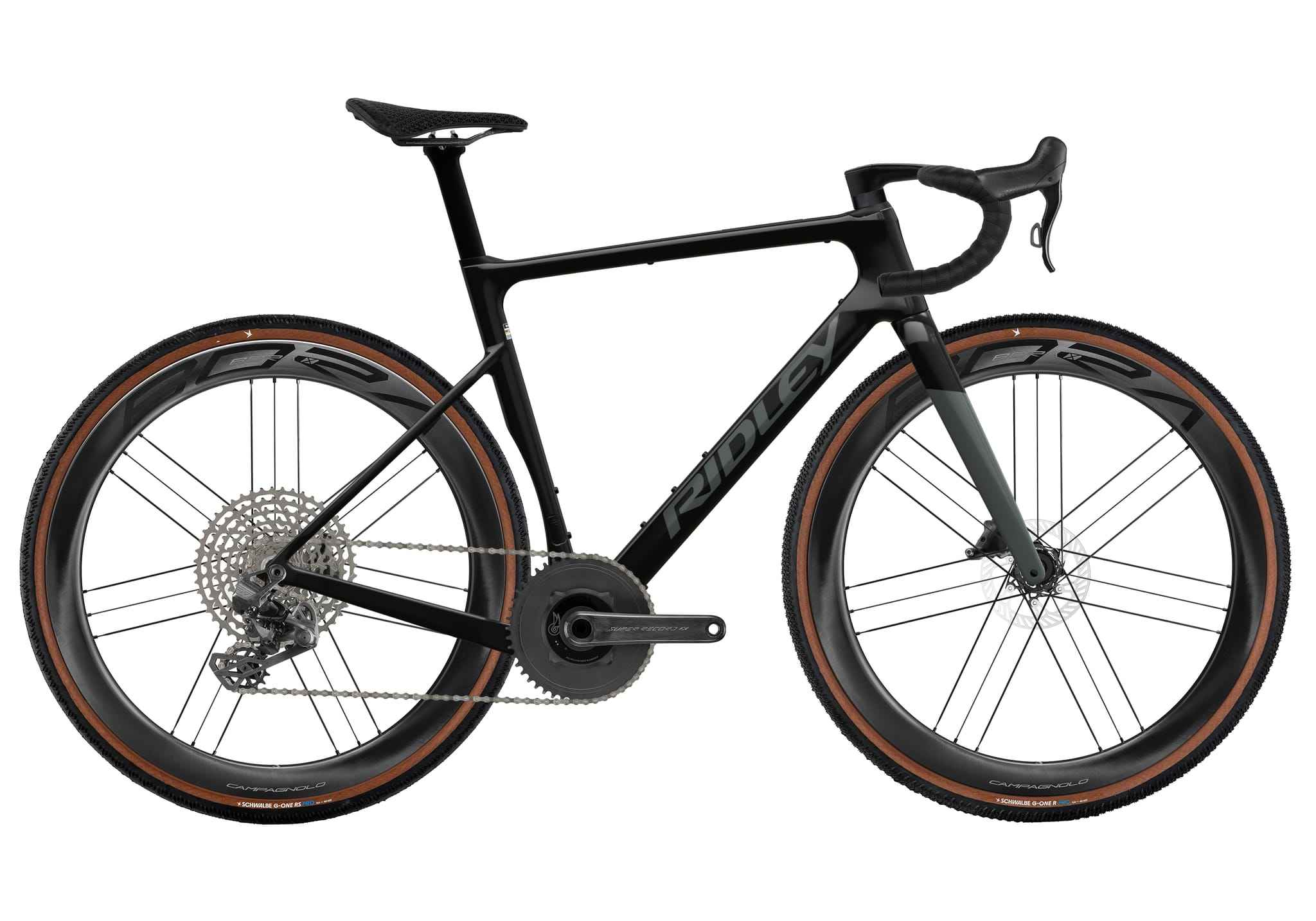
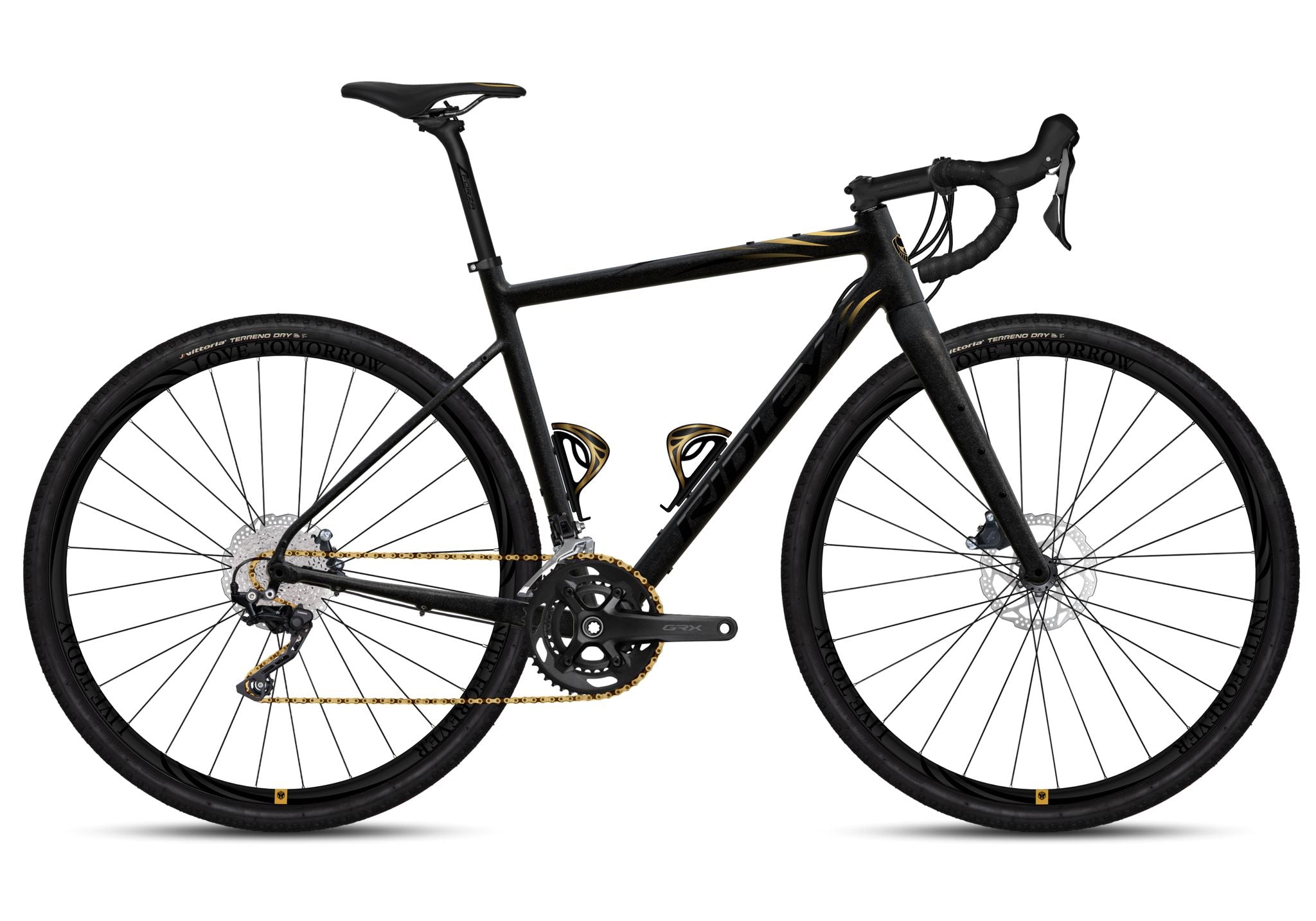
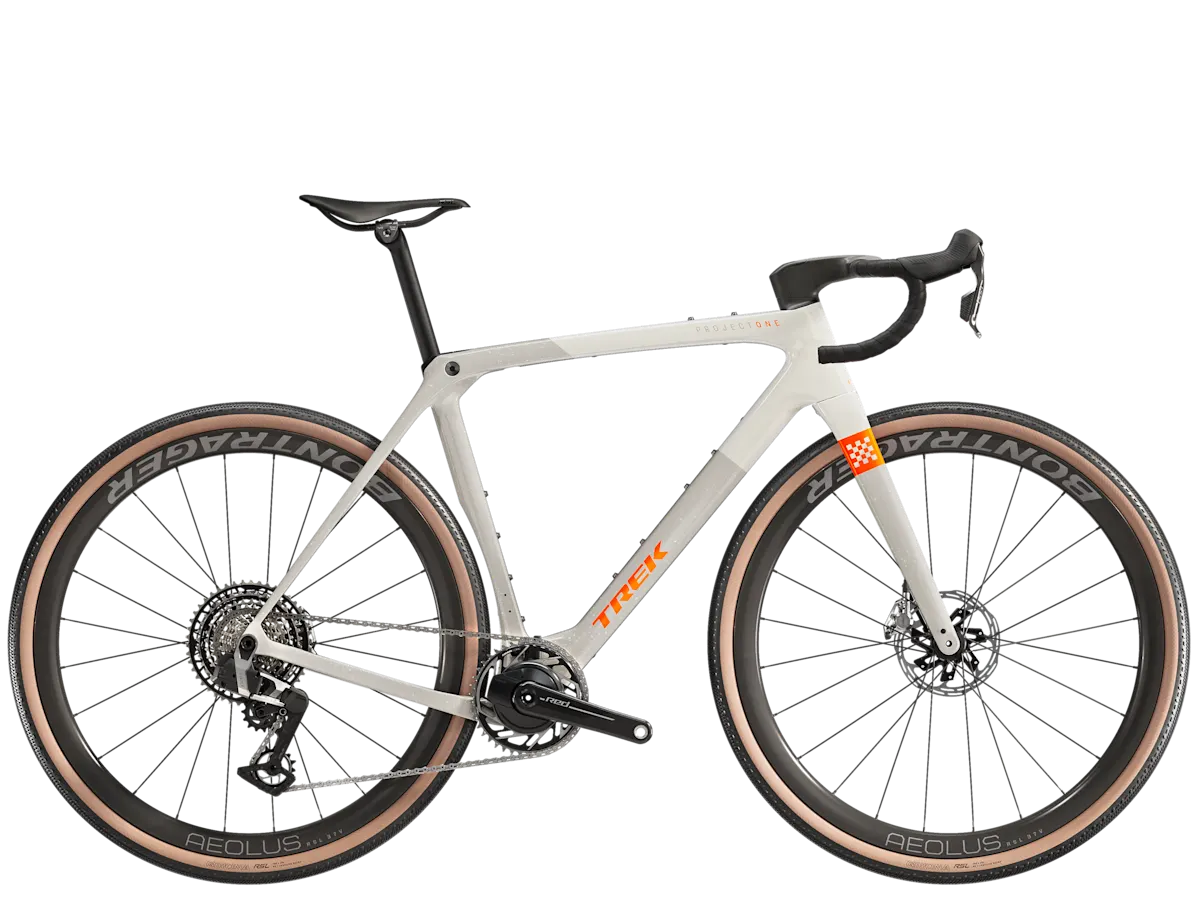
| Gravel bike | Tarmac and gravel roads, year-round use | 35–50 mm |
| Road bike | Fast rides on tarmac | 25–35 mm |
| Mountain bike | Trails and off-road | 2.2–2.6" |
| Electric bike | Longer commutes, hilly routes | Varies |
Three common situations:
Commute under 5 km: a hybrid or city bike. Over 8–10 km or a hilly route: an e-bike makes commuting by bike realistic.
One bike for many uses: gravel. It rides well on tarmac, handles gravel roads, and takes studded tyres for winter.
Starting off-road: a hardtail mountain bike. For the same money you get better components than on a full-suspension bike. See our mountain bike guide.
2. Frame size
Frame size is chosen by height and inseam measurement. Wheel size tells you nothing about an adult bike's size – it's a choice about intended use.
Mountain and hybrid bikes
| Inseam | Rider height | Frame size |
|---|---|---|
| 61–66 cm | 147–157 cm | 33–35 cm (XS) |
| 68–76 cm | 157–168 cm | 38–40 cm (S) |
| 76–81 cm | 168–178 cm | 44–45 cm (M) |
| 78–84 cm | 178–185 cm | 48–50 cm (L) |
| 82–90 cm | 185–193 cm | 53–56 cm (XL) |
| over 88 cm | over 193 cm | 56–61 cm (XXL) |
Road and gravel bikes
| Inseam | Rider height | Frame size |
|---|---|---|
| 63–73 cm | 148–152 cm | 47–48 cm (XXS) |
| 71–76 cm | 152–160 cm | 49–50 cm (XS) |
| 73–78 cm | 160–168 cm | 51–53 cm (S) |
| 76–81 cm | 168–175 cm | 54–55 cm (M) |
| 80–84 cm | 175–183 cm | 56–58 cm (L) |
| 82–87 cm | 183–191 cm | 58–60 cm (XL) |
| over 88 cm | 191–198 cm | 61–63 cm (XXL) |
How to measure your inseam
Stand without shoes with your back against a wall, feet about 15 cm apart. Place a book between your legs horizontally and press it up into the same position the saddle supports you in while riding. Measure from the floor to the top edge of the book.
If you're between two sizes
Choose the smaller size if: you want a more agile bike, you have back or neck trouble, or your inseam is shorter than the chart's guide value.
Choose the larger size if: you're an experienced rider who rides hard, you have longer than average limbs, your inseam is longer than the guide value, or you want a more stable bike for uneven surfaces.
Remember too that size markings are not comparable between brands. The most reliable comparison is made with reach and stack figures – see our frame size comparison.
3. On children's and junior bikes, wheel size is what matters
Unlike adult bikes, on children's bikes the wheel size tells you directly whether it fits.
| Wheel size | Child's height |
|---|---|
| 12" | 80–100 cm |
| 16" | 95–110 cm |
| 20" | 105–140 cm |
| 24" | 125–150 cm |
| 26" | from approx. 136 cm |
On a children's bike the single most important specification is weight – read why in our kids' bike weight article.
4. Where should the budget go?
The order that gives the most benefit per euro:
- The right size. Free, and it matters more than any component.
- Brakes. Hydraulic disc brakes are a safety issue.
- Suspension (on mountain bikes). The difference between a cheap fork and a good one is felt on every root section.
- Tyres. The cheapest way to change a bike's character.
- Frame material. Last – read our aluminium vs carbon comparison.
5. Test ride before buying
Two bikes with the same figures on paper can feel completely different. On a test ride, pay attention to these:
- Can you reach the bars without stretching, elbows slightly bent?
- Can you brake with one finger without losing your grip?
- Do the gears shift smoothly, including under load?
- Does the bike feel stable with your hands resting lightly on the bars?
You can test ride bikes at our Tampere store.
Frequently asked questions
Which bike suits commuting?
For a commute under 5 kilometres, a hybrid or city bike. For over 8–10 kilometres or a hilly route, an e-bike.
How do I choose the right frame size?
Measure your height and inseam and compare them with the chart. Then confirm against the manufacturer's own size chart, because sizes are not consistent between brands.
Does wheel size indicate a bike's size?
On children's bikes yes, on adult bikes no. On adult bikes wheel size is chosen by intended use and frame size by the rider.
How much does a good first bike cost?
For most people a workable package is found in the €800–1,500 range. Below that you start compromising on brakes or drivetrain.
Should I buy a bike to grow into?
Not with adult bikes. On children's bikes, growing room is handled with saddle and bar adjustment, not by going up a size.
Can you buy a bike online with confidence?
Yes, when you measure your height and inseam and compare them with the product page's size chart. We'll also help with sizing by phone before you order.
Summary
Start from intended use, move on to size, and decide the budget last. The right type of bike in the right size with mid-range components is almost always a better purchase than the wrong type with top-end kit.
We're happy to help through the whole process – tell us where and how you intend to ride: myynti@emiliasport.fi or +358 50 470 4686. Our store is in Tampere at Hyllilänkuja 7.
Browse our range: road bikes, mountain bikes, electric bikes and children's bikes.
Written by the Emilia Sport team
Emilia Sport has been a bike shop since 1978. Our staff have up to 45 years of experience in the bicycle trade, and we help customers choose bikes at our Tampere store every day. We're happy to help by phone too: myynti@emiliasport.fi / +358 50 470 4686.