
Updated August 2026
Choosing a mountain bike comes down to three decisions, and they're best made in this order: hardtail or full suspension, how much travel, and which wheel size. Everything else follows from those.
This guide works through them from the perspective of Finnish terrain – trails where roots and rocks are far more common than long alpine descents.
The short answer
For beginners and for most Finnish trails, a hardtail is enough and clearly better value. Full suspension is worth it if you regularly ride technical root trails or long descents. For most riders 120–140 mm of travel and 29-inch wheels are the right choice. Spend your budget on the fork and brakes first, not on frame material.
1. Hardtail or full suspension?
A hardtail has a suspension fork at the front and a rigid rear end. It's lighter, cheaper, needs less maintenance, and teaches you to read the terrain because it doesn't forgive mistakes. For the same money you get significantly better components than on a full-suspension bike.
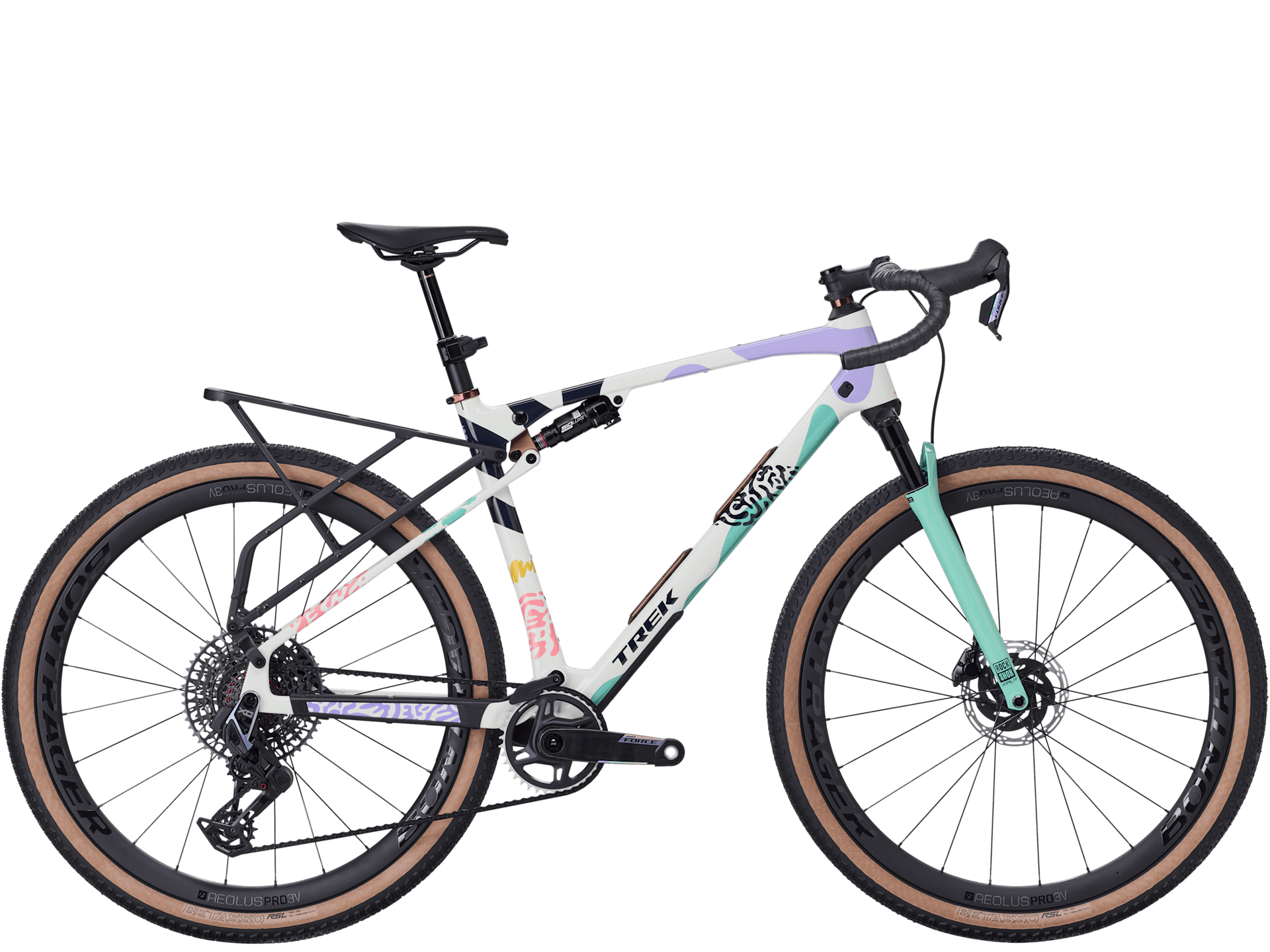
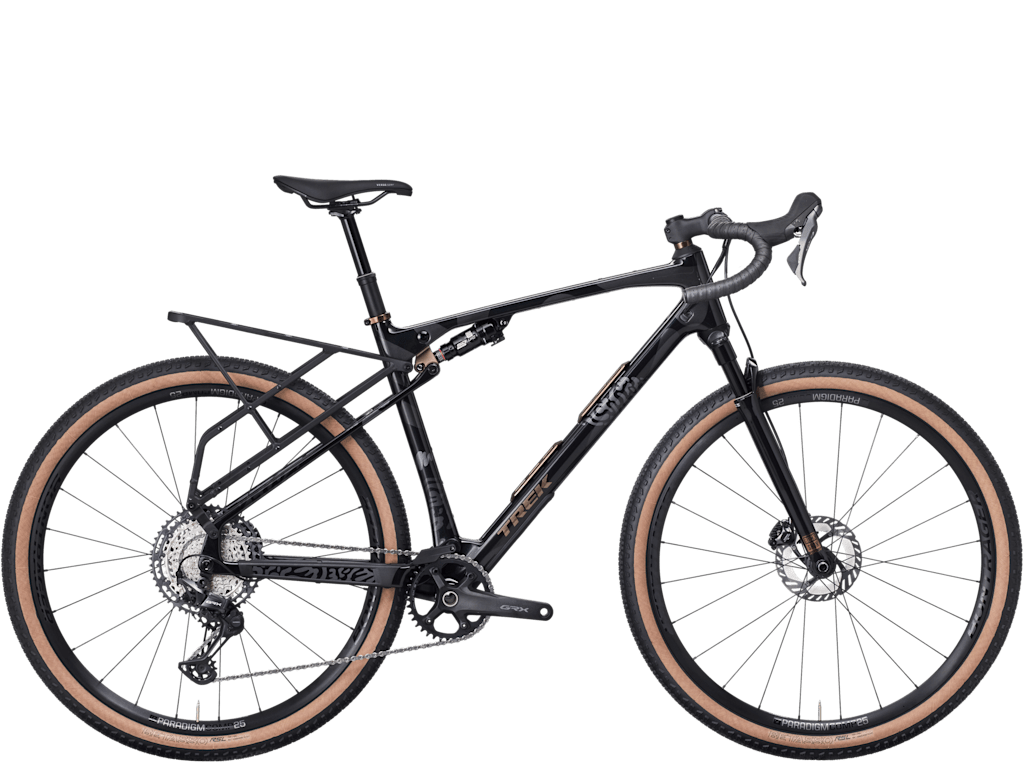
A full-suspension bike also has rear suspension. It gives better grip over roots and rocks, is less tiring on long rides, and is faster on descents. In return you get extra weight, a higher price, and bearings and a shock that need servicing.
The practical dividing line: if you mostly ride forest roads, light trails and commutes, get a hardtail. If you ride technical trails weekly and are chasing speed on descents, get full suspension.
2. How much travel?
| Travel | Category | Suits |
|---|---|---|
| 100–120 mm | Cross-country | Fast rides, forest roads, racing |
| 120–140 mm | Trail | General use, most Finnish trails |
| 150–170 mm | Enduro | Technical terrain, long descents, jumps |
The most common mistake is buying too much travel. An enduro bike is heavy and feels sluggish on flat ground, and few Finnish trails call for 170 mm. The 120–140 mm trail category is the most popular for good reason.
3. Wheel size
29 inch rolls better, clears obstacles more easily and is more stable. It's now the default choice for almost everyone.
27.5 inch is more agile and accelerates faster. It suits smaller riders and those who value playfulness over stability.
Some models use a mullet setup: 29 inch at the front and 27.5 at the rear. It combines rolling speed with agility and has become common on enduro bikes in particular.
Where should the money go?
This question determines satisfaction more than brand or frame material does.
1. Suspension fork. The difference between a cheap fork and a good one is felt on every single root section. This is clearly the most important single component.
2. Brakes. Hydraulic disc brakes are a safety issue off-road. Four-piston brakes are more powerful on long descents.
3. Dropper post. The most underrated accessory on a mountain bike. Being able to drop the saddle at the push of a button makes descents both safer and more fun, immediately.
4. Tyres. The cheapest way to change a bike's character. Good tyres improve grip more than a more expensive frame does.
Frame material comes only after these. A well-designed aluminium frame with good components is a better bike than a carbon frame with weak components at the same price.
Price tiers
| Price | What you get |
|---|---|
| €500–800 | Hardtail, aluminium frame, basic fork and hydraulic brakes. A workable starter bike for forest roads and light trails. |
| €800–1,500 | A better fork, a dropper post and a more reliable drivetrain. Proper trail use starts here. |
| €1,500–3,000 | An aluminium full-suspension bike or a high-spec hardtail. For most enthusiasts this is the most sensible tier. |
| over €3,000 | Carbon frame, light wheels and top components. The difference from the tier below is performance, not usability. |
What about an electric mountain bike?
An e-MTB doubles the number of rides you fit into the same time, because climbs no longer consume the whole ride's energy. It's an excellent choice if your time is limited, or if you want to ride with someone of a different fitness level.
Bear in mind, though, that an electric mountain bike weighs 20–25 kg, wears the drivetrain faster and needs more frequent servicing. We cover motor choice in more detail in our motor comparison.
Frame size and riding position
On a mountain bike you generally ride a numerically smaller frame than on a road bike, because off-road riding needs room to move between the saddle and the rider. Size markings are not comparable between brands – compare reach and stack figures instead. We work through this in our frame size comparison.
Frequently asked questions
Should a beginner buy a full-suspension bike?
Usually not. For the same money a hardtail comes with clearly better components, and a rigid rear end teaches you to read your lines. Move to full suspension once you know what terrain you actually ride.
How much does a good mountain bike cost?
A workable hardtail starts at around €550. Proper trail use starts in the €800–1,500 range, and an aluminium full-suspension bike typically falls between €1,500 and €3,000.
Is 29 or 27.5 inch better?
29 inch is the default choice for most riders: it rolls better and is more stable. 27.5 inch suits smaller riders and those who prefer agility.
Do I need a dropper post?
If you ride trails, yes. It's the most underrated single component on a mountain bike and improves descending safety considerably.
How often does a mountain bike need servicing?
Once a year in active use, and suspension has its own intervals: a lower-leg service around every 50 hours of use and a full service around every 200 hours. See prices in our service price list.
Summary
Start from your intended use, not from a price bracket. For most Finnish trails the right answer is a 120–140 mm trail bike on 29-inch wheels – as a hardtail if you're starting out, as full suspension if you ride a lot of technical terrain.
And when the budget is limited: spend on the fork, the brakes and a dropper post before frame material.
You can test ride mountain bikes at our Tampere store, and we're happy to help with size and model choice: myynti@emiliasport.fi or +358 50 470 4686.
Browse our range: mountain bikes, hardtails and full suspension.
Written by the Emilia Sport team
Emilia Sport has been a bike shop since 1978. Our staff have up to 45 years of experience in the bicycle trade, and our own workshop in Tampere also services suspension. We're happy to help by phone too: myynti@emiliasport.fi / +358 50 470 4686.